
Author: Jack Wilson

  • ACMA’s Crackdown on Illegal Online Gambling: A Deep Dive Into the April – June 2024 Actions

    The Australian Communications and Media Authority (ACMA) has been hard at work in the latest efforts to curb illegal online gambling in Australia.

    With an increasing number of inquiries and complaints, ACMA’s stringent actions against non-compliant entities have showcased their commitment to upholding the Interactive Gambling Act 2001 (IGA).

    Let’s unpack the details of ACMA’s activities from April to June 2024 and what they mean for the online gambling landscape in Australia.

    Key Takeaways

    • ACMA looked into 514 inquiries and complaints related to online gambling.
    • Completed 14 investigations into 15 gambling sites, finding 17 breaches of the Interactive Gambling Act 2001.
    • Issued 15 formal warnings and blocked 50 websites along with 359 URLs.
    • 90% of the complaints were valid and led to investigations under the IGA.
    • 12 services were providing illegal gambling services to Australian customers.
    • High-profile cases included actions against Dama N.V. and Strukin Ltd for Wanted Win; Libergos Ltd and Hollycorn for Richard Casino.
    • ACMA also focused on consumer awareness campaigns, including initiatives related to the credit card ban by Responsible Wagering Australia (RWA).

    The Australian Communications and Media Authority (ACMA) has been a cornerstore in the fight against illegal online gambling.

    With meticulous efforts to maintain the integrity of Australia’s gambling regulations, the April to June 2024 period has been particularly eventful.

    A whirlwind of investigations, formal warnings, and website blocks marks a significant leap in ACMA’s crackdown on non-conformity with the Interactive Gambling Act 2001 (IGA).

    A Closer Look at the Numbers

    Diving into the specifics, the ACMA’s hands were full with 514 inquiries and complaints concerning online gambling activities.

    Among these, 463 were found credible enough to merit full-blown investigations under the IGA’s stringent criteria.

    The outcome?

    Seventeen clear breaches of the act. However, the ACMA didn’t stop at mere identifications.

    The authority swiftly recorded 15 formal warnings, blocked access to 50 websites, and sidelined 359 URLs from Australian gamblers’ reach.

    The High-Profile Cases That Made Headlines

    The crackdown saw some notable names under the spotlight. Dama N.V. and Strukin Ltd, the names behind Wanted Win, as well as Libergos Ltd and Hollycorn, associated with Richard Casino, faced the music for providing illegal gambling services.

    This list extended to other online platforms, such as Jogi Casino, Dundee Slots, and Lucky Hunter, illustrating the extent of ACMA’s reach.

    Beyond Enforcement: Educating the Public

    Enforcement actions aside, ACMA’s strategy also embraced a proactive approach towards consumer awareness.

    With a keen focus on educating Australian citizens about the implications of the credit card ban instituted by Responsible Wagering Australia (RWA), ACMA’s dual approach intertwines regulation with education.

    This not only fortifies the regulatory framework but also empowers the gambling community to make informed decisions.

    The Road Ahead

    While the numbers and actions from April to June 2024 underscore a vigorous phase in ACMA’s regulatory journey, they also paint a broader picture of the ongoing battle against illegal online gambling in Australia.

    With each blocked site and every warning issued, ACMA sets a precedent, reinforcing the legal and ethical boundaries within which online gambling should operate. As the landscape continues to evolve, ACMA’s relentless pursuit of compliance signals a clear message: integrity in online gambling is not just expected. It’s mandatory.

    So, what does this all mean for the future of online gambling in Australia?

    ACMA’s rigorous oversight steers the industry towards a more secure and responsible future. For operators, staying within the bounds of the law has never been more critical. And for gamblers, the message is clear: safer, regulated, and compliant platforms are the only way forward.
  • Australia’s Government Faces Criticism Over Proposed “Watered Down” Gambling Ad Ban

    Australia’s Government Faces Criticism Over Proposed “Watered Down” Gambling Ad Ban

    In a surprising turn, Australia’s government is reportedly considering a series of more lenient reforms on gambling advertising rather than the blanket ban initially expected.

    This decision has sparked a wave of criticism from across the political spectrum, accusing the government of betraying Peta Murphy’s legacy and failing to address the issue of problem gambling adequately.

    Key Takeaways

    • Australia’s government is criticised for planning to “water down” a proposed ban on gambling advertising.
    • Reports suggest the government will introduce a cap instead of a blanket ban, allowing two TV ads per hour until 10 p.m. and banning ads related to live sports.
    • A full ban on gambling ads on social media and digital platforms is expected.
    • Critics have blasted the government for not fully implementing the Murphy Report’s recommendations, which advocated for a total ban to combat problem gambling.
    • The reforms, still under consideration, have not been finalised and are facing widespread opposition for not going far enough.

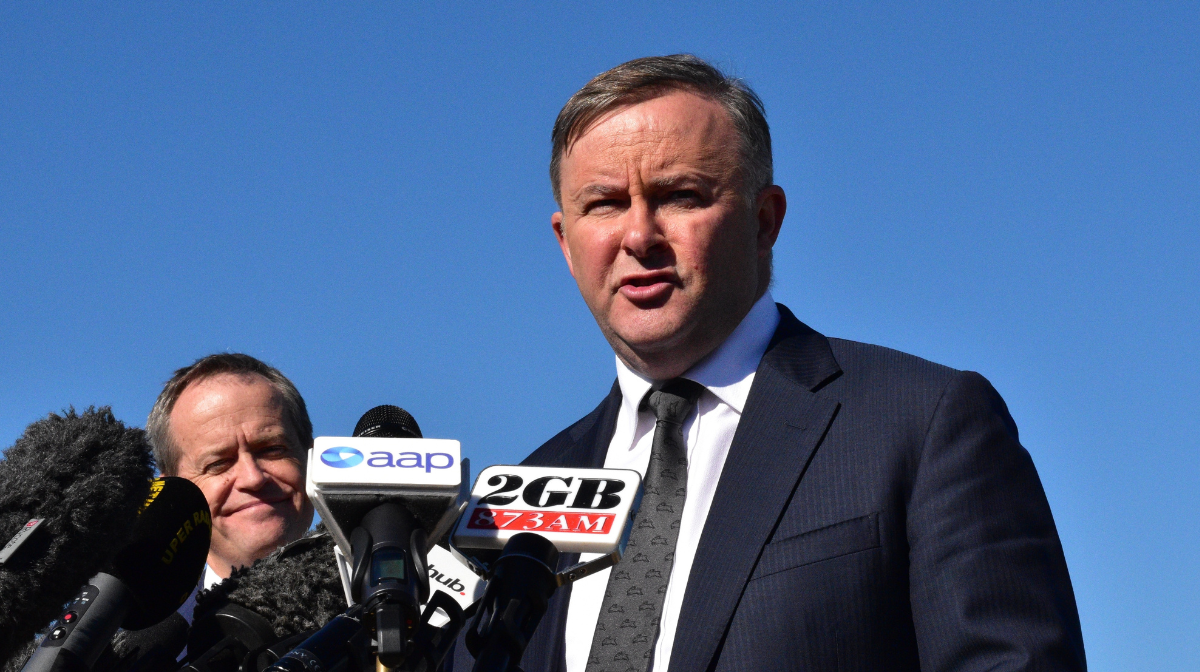
    The report from Nine newspapers on Sunday revealed that the Albanese government is leaning towards a more moderated approach to gambling advertising, a move that has been met with significant pushback. The controversy centres on the government’s apparent rejection of the Murphy Report’s core recommendation—a complete ban on gambling ads due to the risk they pose to problem gamblers.

    Proposed Reforms and Public Reaction

    Specifically, the government’s strategy, reportedly under development by Communications Minister Michelle Rowland, includes a cap of two television gambling adverts per hour until 10 pm and a prohibition on advertising one hour before and after live sports events. Additionally, the plan involves a full ban on gambling promotions across social media and digital platforms.

    While these measures aim to mitigate the exposure of vulnerable individuals to gambling content, many see them as insufficient.

    Critiquing the government’s stance, independent senator David Pocock lambasted the proposal on social media, calling it a “total cop-out” and a betrayal to the legacy of Peta Murphy, the late chair of the online gambling inquiry, who passed away in December 2023. Murphy had championed a more drastic approach, advocating for a phased three-year plan culminating in a complete embargo on gambling advertising, including sponsorships.

    Crossbench MP Zoe Daniels also voiced her dissatisfaction, disparaging the government’s plan as a result of capitulation to powerful interests within the gambling industry.

    The Road Ahead

    Despite the backlash, it’s important to note that the government’s proposals have not yet been finalised and could undergo significant alterations before being officially adopted. Minister Rowland’s office spokesperson emphasised ongoing engagement with stakeholders as the government shapes its response to the online wagering inquiry.

    The controversy illustrates the complex balancing act governments face in regulating gambling. On one hand, there’s a clear need to protect the public from the harms associated with problem gambling. On the other, there’s the risk of imposing overly restrictive measures that could have unintended consequences or face resistance from powerful industry interests.

    As the debate unfolds, the key question remains: Will the government heed the call of critics and implement a more comprehensive ban, or will the current “watered-down” proposals stand?

    With problem gambling posing a significant public health issue, the stakes are undoubtedly high. More to come.

  • New South Wales Rolls Out New Rules to Combat Gambling Harm

    New South Wales Rolls Out New Rules to Combat Gambling Harm

    In a noteworthy move to curb problem gambling, the NSW government introduces stringent measures, including mandatory responsible officers in gambling venues and strict restrictions on ATM placements.

    Key Takeaways

    • New gambling harm minimisation measures implemented in New South Wales.
    • Pubs and clubs with over 20 gaming machines must appoint a Responsible Gambling Officer (RGO).
    • New rules prohibit gambling-related signs near ATMs and enforce a Gambling Incident Register in venues.
    • From January 2025, ATMs must be located at least 5 meters away from gaming room entries and not be visible from pokies.
    • NSW Government dedicates an additional AUD 10 million towards gambling harm minimisation efforts.

    In an ambitious step towards reducing gambling-related harm, the New South Wales (NSW) government has instituted a series of preventative measures targeting pubs and clubs with gaming facilities.

    Announced recently, these rules aim at providing a safer gambling environment across the state, reflecting a growing concern over the impacts of problem gambling on the community.

    Groundbreaking Measures for Safer Betting

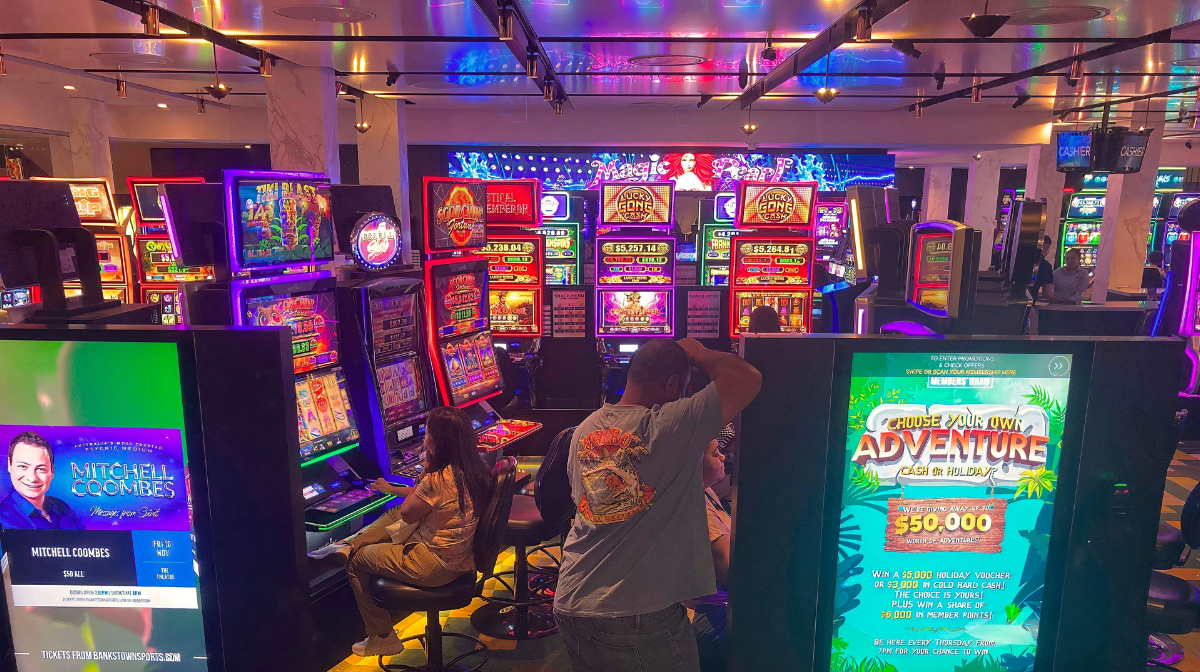
    The central requirement of the new regulations is that venues hosting over 20 gaming machines employ a Responsible Gambling Officer (RGO).

    These RGOs are tasked with a vital role in identifying and assisting patrons exhibiting signs of gambling harm. Their responsibilities extend beyond mere observation, encompassing support and referral services and even assisting in self-exclusion processes for those in need. This initiative underscores a proactive approach towards recognising and mitigating the early signs of gambling-related distress.

    Further, the government’s crackdown on gambling advertising and machine visibility – especially concerning ATMs – marks a significant stride in de-emphasising the allure of instant, accessible funds for gambling.

    By mandating a distance of at least 5 meters between ATMs and gaming room entries from January 2025 and ensuring these cash dispensers remain out of sight from the gaming areas (commonly presented as VIP lounges), NSW aims to disrupt the immediate financial loop that fuels excessive gambling behaviour.

    Enforcement and Beyond

    While these measures took effect on July 1, venues have been afforded a one-month grace period to align with the new standards. Enforcement is set to kick in in August.

    The Minister for Gaming and Racing, David Harris, has echoed the importance of these changes, highlighting the necessity of such reforms in protecting individuals from the darker sides of gambling. With a firm eye on compliance, the government is prepared to refine these policies further to enhance player safety effectively.

    This latest legislative action builds upon NSW’s commitment to gambling harm minimisation, demonstrated through an additional allocation of AUD 10 million towards related initiatives. Faced with the reality of gambling risks, particularly those associated with slot machines, the state’s holistic approach in addressing both the immediate and eventual triggers of problem gambling stands as a commendable effort in public health and safety.

    As venues gear up to meet these new requirements and the government is poised to monitor their implementation and effectiveness closely, the gambling landscape in NSW is set for a significant transformation.

    The ultimate goal?

    A safer, more responsible gambling culture—one where the thrill of the game never comes at the cost of a punter’s well-being.

  • The Star Entertainment Group Announces Executive Shifts and Addresses Challenges

    The Star Entertainment Group Announces Executive Shifts and Addresses Challenges

    This article explores the recent updates and challenges faced by The Star Entertainment Group, including executive appointments, system updates, and a blackmail attempt.

    Key Takeaways

    • Neale O’Connell was appointed as interim CFO, and Janelle Campbell as CEO of The Star Sydney.
    • Both appointments have received regulatory approval, and Ms. Campbell joins The Star Sydney’s board.
    • The Star to temporarily disable Electronic Gaming Machines and Electronic Table Games due to system performance issues.
    • Issues arose during post-upgrade testing, impacting the introduction of cashless gaming.
    • Operational adjustments are being made in collaboration with Konami to keep other areas of the properties operational.
    • A fraudster attempted to blackmail The Star, leading to legal action after he threatened to release sensitive customer data.

    In a recent announcement, The Star Entertainment Group, a leading figure in the Australian casino and hospitality industry, has unveiled notable changes in its executive lineup and is navigating operational challenges. Here’s a deep dive into the significant shifts and the hurdles they are overcoming.

    Executive Realignments

    Announced in an ASX update, The Star Entertainment Group has made crucial interim executive appointments.

    Neale O’Connell steps in as the group’s interim chief financial officer (CFO), while Janelle Campbell has been named the new chief executive officer (CEO) of the Star Sydney property. These appointments, initially declared in March and January, respectively, have come into effect after all necessary regulatory approvals were secured.

    Additionally, Campbell is set to join The Star Sydney’s board of directors, signalling the company’s emphasis on leadership stability and strategic oversight.

    Addressing System Performance Hurdles

    The Group also disclosed a temporary operational hiccup: disabling all Electronic Gaming Machines and Electronic Table Games across its three properties due to identified system performance issues.

    The decision, effective from 10 p.m. on July 13 until resolution, underscores their commitment to responsible gambling and adherence to regulations. This move mainly affects the transition towards cashless gaming, a modernisation effort to enhance gaming safety and convenience.

    The challenge has prompted a close collaboration with technology partner Konami to ensure a prompt and effective resolution, allowing other facilities like table games, dining, and entertainment to remain accessible to guests.

    Thwarting Blackmail Attempts

    In a more unsettling development, The Star was the target of a blackmail attempt by an individual, identified only by the initials AB, who had a murky past involving car theft and fraud.

    Following a job rejection at The Star Sydney, the individual threatened to leak sensitive customer data unless his demands—firing his former partner—were met. Demonstrating resolute action against such threats, The Star’s HR department promptly involved the authorities, leading to legal action against the extortionist.

    This series of events at The Star Entertainment Group lays bare the multifaceted challenges faced by leaders in the casino and hospitality sector—from steering precise leadership changes to ensuring operational excellence and fortifying against external threats. It reaffirms the company’s resilience and commitment to maintaining a safe, ethical, and thriving environment for customers and employees.

    As the situation unfolds, the industry watches closely, recognising the intricate balance between innovation, security, and leadership necessary for enduring success.

  • Betting on the Future: How Shuffle Aims to Revolutionise Crypto Gambling

    Betting on the Future: How Shuffle Aims to Revolutionise Crypto Gambling

    In the high-stakes online gambling world, Shuffle’s co-founder Noah Dummett is all in, aiming to create the world’s largest crypto-wagering platform. With a blend of innovation and lessons drawn from the rise and fall of crypto giants, Shuffle is making bold moves to dominate the crypto casino space.

    Key Takeaways

    • Shuffle.com generates over $1bn in monthly wagers just 15 months after launch.
    • Co-founder Noah Dummett draws insights from his experiences at BitMEX and FTX to steer Shuffle’s growth.
    • Plans include building a strong community through the SHFL token and ambitious marketing.
    • Dummett emphasises the importance of quick development and responsiveness to user demand to outpace traditional fiat gambling operators.

    Noah Dummett, co-founder and CEO of Shuffle, has made it clear on a recent NEXT.io podcast episode with Pierre Lindh that he is not just betting on the future of crypto gambling but is determined to shape it.

    With the rapid success of Shuffle.com, generating over $1 billion in monthly wagers within just 15 months of going live, Dummett and his team are on a fast track to creating the “largest crypto wagering operator in the world.”

    A New Era of Crypto Casinos

    Shuffle stands among the trailblazers of a new generation of crypto casinos, alongside names like MyPrize and esports-focused Rivalry, reshaping the industry’s landscape.

    Dummett’s journey into the crypto and gambling world is as unconventional as inspiring. A self-taught coder who left school early to escape farm life in Australia, he delved into the tech world and eventually pivoted into crypto, joining the ranks of BitMEX and later FTX.

    His experiences at these companies—witnessing their explosive growth and subsequent challenges—have provided invaluable lessons for steering Shuffle’s trajectory.

    Learning from the Past

    Dummett’s reflection on his time at BitMEX and FTX reveals a mix of thrilling innovation and cautionary tales. “It felt electric like we were at the start of something massive,” he said about his time at FTX.

    But he also noted, “it was messy, with no real processes in place.” These experiences highlight the importance of discipline and structure amidst fast growth, lessons Dummett carries forward into Shuffle’s operations.

    When comparing Shuffle’s strategies with those of other companies, Dummett pointed to Stake.com as a model of success, noting that marketing and distribution were crucial to its growth. However, he also has his eyes set on avoiding the pitfalls that have ensnared other fast-growing firms, including those that lost their way due to rapid expansions and a detachment from core values.

    Building Community and Speedy Innovation

    Central to Shuffle’s growth strategy is the development and integration of the SHDSFL token, which aims to foster a loyal community around the platform. Dummett’s insight into the significance of community engagement in the gambling world, coupled with innovative approaches like substantial airdrops, underscores his commitment to building a solid user base.

    Moreover, Dummett advocates for a philosophy of rapid development, urging traditional fiat gambling operators to adapt or risk obsolescence. His approach prioritises responsiveness to user demands and leveraging the latest in blockchain technology to stay ahead in the highly competitive realm of online gambling.

    The Road Ahead

    Dummett’s vision for Shuffle is to dominate the crypto casino industry and shake up the online gambling landscape.

    Drawing from his lengthy experience and lessons from the crypto world’s highs and lows, he is poised to lead his team towards a future where Shuffle is not just a platform but a revolution in the gambling world.

    As we watch Shuffle’s journey unfold, two things are clear: the online gambling industry is at the brink of a new era, and Noah Dummett is not just participating in the game—he’s aiming to change it.