Category: Uncategorized

  • GambleAware Week 2024: A Step Forward in Promoting Responsible Gambling in NSW

    GambleAware Week 2024: A Step Forward in Promoting Responsible Gambling in NSW

    GambleAware Week 2024: A Step Forward in Promoting Responsible Gambling in NSW

    Join the movement for safer gambling practices during NSW’s GambleAware Week 2024. Responsible Wagering Australia backs the initiative, underlining the critical need for balanced regulation to safeguard players without favouring the black market.

    Key Takeaways

    Topic Summary
    GambleAware Week 2024 Runs from October 21 to 29, focusing on responsible gambling habits.
    Responsible Wagering Australia (RWA) Supports the initiative, emphasizing harm prevention strategies such as setting limits and avoiding betting while under the influence.
    Offshore gaming threat The biggest threat is offshore gaming operators, which hold a 15% market share and skirt Australian regulations, posing risks to player safety.
    The challenge Balancing regulations to protect players without advantaging unlicensed operators.
    RWA’s stance Advocates for government collaboration to protect the market and promote safer gambling.

    It’s GambleAware Week in NSW, running from October 21 to 29.

    It’s that special week where the focus shifts to fostering safer gambling habits, encouraging gamblers to play responsibly, and spotlighting the harm reduction tools available. This year, under the banner “Safer gambling. Are you on board?”, the campaign is not just about awareness but action.

    Why GambleAware Week Matters

    Responsible Wagering Australia is throwing its full support behind GambleAware Week.

    At its core, RWA is all about championing safer gambling, and GambleAware Week marks an ideal time on the calendar. Kai Cantwell, the head honcho at RWA, shares some pearls of wisdom on how to stay on the safer side of betting:

    • Setting limits: Know your budget and stick to it.
    • No chasing losses: Today’s not your day? Walk away.
    • Stay sober when betting: Keep a clear head.
    • Balance is key: Make sure gambling isn’t your only pastime.

    These aren’t just tips; they’re lifelines for anyone who wants to keep their gambling activities fun and not financially faut.

    The Elephant in the Room: Offshore Gaming

    However, it’s not all smooth sailing. According to Cantwell, the offshore gaming market lurks over the Australian gambling scene. Despite stringent regulations, these foreign entities command around 15% market share.

    A Call for Balanced Regulation

    Stricter regulations might do more harm than good if they target the wrong side. The trick is not wielding a bigger stick but swinging it with precision. Overregulation can hurt those playing by the rules, giving the black market an unintended edge.

    Cantwell makes a compelling case for a balanced approach to reforms—one that shields vulnerable players without giving unlicensed operators a leg up.

    RWA’s Commitment

    Through it all, RWA reaffirms its commitment to battling against these offshore threats and working alongside the government to ensure the Australian gambling market remains safe for bettors. The hope is to find a regulatory sweet spot that keeps gambling fun and safe for everyone.

    If you’re interested in finding out more about GambleAware Week, check out info and events.

  • Exclusive Interview with Daniel Kalinowski from Blueprint Gaming

    Exclusive Interview with Daniel Kalinowski from Blueprint Gaming

    Daniel Kalinowski from Blueprint Gaming sits down with AusCasinos for an exclusive interview, to give some insights into what makes their slots so successful.

    We will also talk about what makes their flagship games like Eye of Horus so timeless, highlight their latest games and give us some hints about exciting new Blueprint slots on the horizon.

    For players who are not too familiar with Blueprint Gaming, can you tell us about your flagship games, and what has made them so popular?

    I believe Blueprint Gaming gained its popularity as a studio for our ability to create both proprietary and licensed games with engaging bonus features. Our players are mostly familiar with our Fishin’ Frenzy, Eye of Horus and Genie games.

    I picked these three as those are the families of games I often see played in land based settings such as pubs, which I frequent from time to time. However, if we are also talking about our digital players, King Kong Cash scores high on the list, along with licensed games like The Goonies™ or Deal or No Deal™.

    We are always looking for new and exciting licences to broaden our portfolio, and recently we adapted two new licences, The Flintsones™ and The Lost Boys™ to join our other branded games.

    blueprint gaming flagship slots

    As players become more and more savvy about slot mechanics and features, which innovations over the past few years have attracted seasoned players to your games?

    Blueprint Gaming has introduced several innovative features in recent years that have attracted seasoned players. Some of our biggest successful games include the Megaways™ mechanic that has provided a new depth to our slots by providing up to 117,649 ways to win on a spin.

    Our Cash Collect model has also proven to be widely successful in games like King Kong Cash EvenBigger Bananas, The Goonies™ Megaways and The Lost Boys™.

    The Cash symbols usually appear on reels 1 to 4 and to activate them the Cash Collect symbol must land on a designated reel, which is usually the rightmost reel. When the Collect symbol lands, it gathers all the values of the Cash symbols in view.

    Our Cash Collect model has also proven to be widely successful.

    Some games include a respin feature where landing a Collect symbol triggers respins. During these respins, any new Cash symbols that appear are collected, and the respins continue until no new Cash symbols land.

    Another variation of this mechanic is the Hotstepper feature in Cash Strike Hotstepper, where the collect symbol moves down one position each spin, while increasing the chances of potential wins.

    One of our most successful mechanics that keeps our seasoned players engaged is the Jackpot King system, which offers multiple ways to trigger progressive jackpots and big wins.

    However, looking back at the industry as a whole and how digital gaming became one of the most popular ways for our players to engage with our content, I must mention the introduction of HTML5 technology to our games. This allowed us to create games that are accessible on both desktop and mobile devices, which had equal appeal among our experienced and new players.

    With so many game developers competing for top spots, how do you go about designing games that will differentiate themselves from other slots in the casino market?

    Our studio employs many phenomenally creative and gifted people in different departments who help us stand out in the competitive market by making games that our players will want to play.
    Blueprint Gaming offers a range of themes and storylines in our games that capture the player’s imagination, but also provide the feeling of familiarity, whether it’s due to regular updates to our own families of games or by licensing popular brands.

    We talked about innovative mechanics in our games, such as Megaways or Jackpot King. Gameplay is essentially what will make a good game, so we are constantly improving on our formula to ensure that the players will enjoy the experience of playing our latest slot.

    I think it’s the player-centric design of our games that keeps the studio in such high esteem, rather than constant worry about the competition with other providers.

    It’s the player-centric design of our games that keeps the studio in such high esteem.

    Fishin’ Frenzy, Eye of Horus, King Kong Cash – these are obviously blockbuster slots. But are there some less well-known games, that have perhaps been overlooked in the Blueprint portfolio, that you would like to highlight?

    I think that everyone at the studio would have their own favourite, but there are a few games that stood out to me personally which I have not mentioned earlier.

    The Flintstones™ had a good brand behind it, with amazing assets that allowed us to adapt the setting of the animated show into a slot. However, this game seems to have been overlooked by a wider audience.

    Majestic Fury Megaways is another one of our recent games that had cool visuals. Although the Megaways™ mechanic is popular, this game might not be on everyone’s radar.

    I would also like to highlight Bigger Catch Bass Fishing, which provides a relaxing fishing experience that offers good value for time as well as potential for big wins.

    Even Bigger Bananas 2 has been a trailblazer. How do you account for the runaway success of that slot?

    The success of King Kong Cash Even Bigger Bananas 2 can be attributed to several key factors that we touched on.

    King Kong Cash is a vibrant jungle theme that is already familiar to our players as that family of games receives frequent attention from the studio with new updates and mechanics. Even Bigger Bananas 2 features a 6-reel 4-row layout with 4,096 ways to win that provides exciting medium-high volatility gaming sessions with 10,000x win potential.

    Additionally, the game sounds and looks good. Visual and auditory feedback in a game is key when creating a player-focused experience, ensuring that the slot will be both entertaining and hopefully rewarding.

    Could you go into some details about how a slot is built, from the initial conception to final execution and deployment?

    Every game goes through the same cycle of development that starts at Idea Generation. This is when the initial brainstorming takes place and our developers come up with themes, gameplay mechanics and storylines. This is also when market research and player feedback is considered.

    Once the ideas are selected and agreed on, the game goes to Concept Design. In this phase our artists create sketches of the visuals, and the developers define the core mechanics that will end up in the finished product.

    Once this work has been completed, the product goes to Game Development where our programmers start coding the game with mechanics, visuals and audio, as well as the maths that sit at the core of the experience.

    When the game reaches a point where it is playable, the Testing begins. Here, the game goes through rigorous testing to identify any bugs and glitches, as well as general functionality tests to ensure that the playing experience is smooth across different devices and platforms.

    Before the game is released, it must be pass for Certification. This is when the regulatory bodies ensure that the product meets industry standards for fairness and security. It is up to our Compliance Team now to go through the process of audits and compliance checks.

    Finally, once the game has been certified, it is time for Deployment. This is the stage where our Commercial Team works with their partners to deploy the game to casinos where players will be able to enjoy the experience.

    What are the key factors that go into designing a successful slot in 2024?

    First and foremost, I believe it is key to provide accessibility across a variety of devices and platforms. The more choice you provide to the user, in this case the player, the more likely you will be to engage a wider audience who all have their own preferences in the tech they use for entertainment, as well as socialising and education.

    Secondly, equally as a slot must feel interactive and innovative to the player, it also must feel fair and secure to be successful in 2024. This is why the industry is so rich with features that keep this space so engaging, but also rigorously audited.

    Visual and auditory feedback is crucial. We see this evolving in other industries as well, whether it’s TV and film, video games and other digital content. The base level of presentation just doesn’t cut it anymore in audiences that always want for more new and appealing experiences.

    Leaderboards also help as they provide seamless integrations of social features, which in effect increases player engagement and retention by fostering a sense of community.

    I believe it is key to provide accessibility across a variety of devices and platforms.

    As a player yourself, what are your top 5 Blueprint Gaming slots, and why?

    I think there are many slots in our catalogue that provide interesting experiences to the player, and many may have even improved on the originals I will list now. However, I think there are many reasons why these games are my and many other player’s favourites.

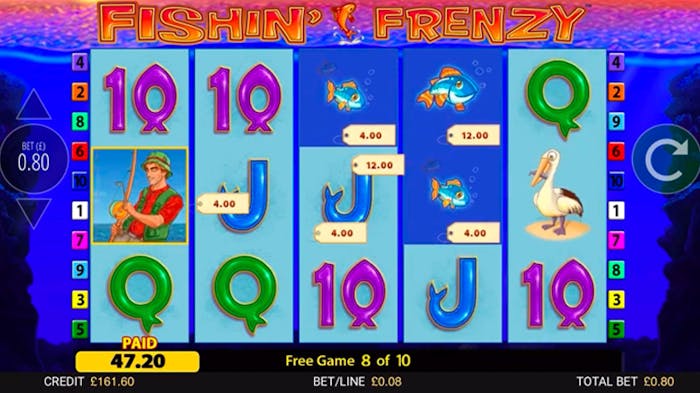
    Fishin’ Frenzy is a classic. It has simple gameplay that is easy to understand yet very engaging. You can see many of its influences in modern slots across the igaming space.
    fishin' frenzy reels

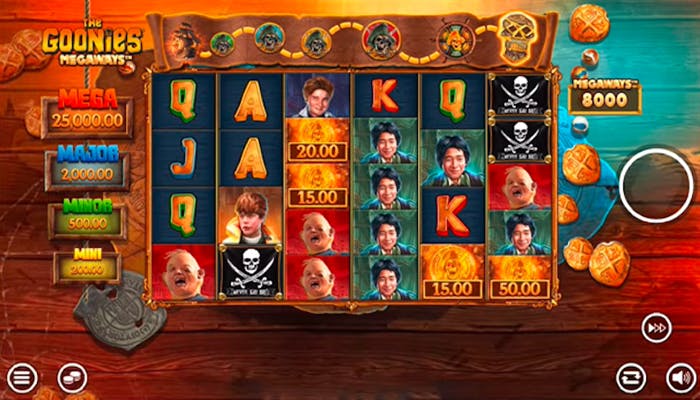
    The Goonies Megaways simply because I have not heard a conversation about Blueprint Gaming slots without a mention of one of our biggest licensed success stories. It has both an incredible and familiar theme, as well as feature-rich gameplay.
    the goonies reels

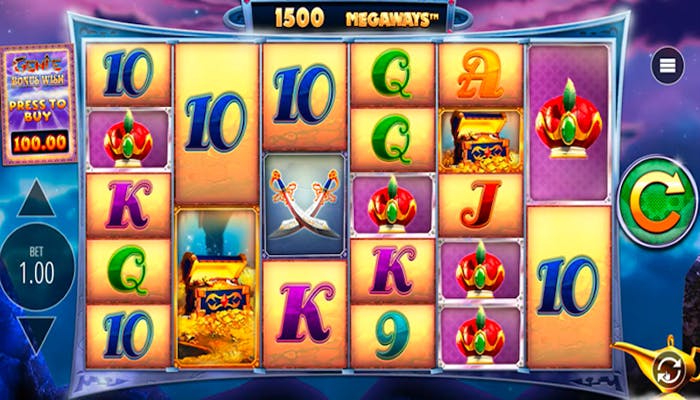
    Genie Jackpots is another one of Blueprint classics. This game has an amazing theme full of magic, and bonus features such as the Magic Carpet Bonus as well as the Mystery Win provide fun gaming sessions.
    genie jackpots megaways reels

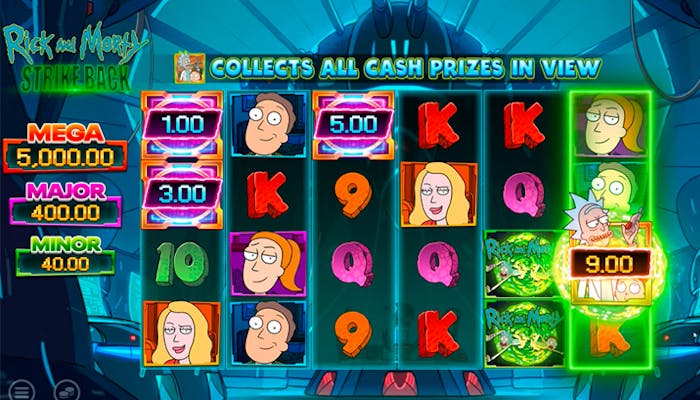
    Rick and Morty Strike Back is another great licensed game that always comes up in conversations. This is a very selfish choice because I just find it cool to be working with such a popular licence as a fan of the show.
    rick and morty strikeback reels

    The Flintstones because I was always a fan of the show, and I think we did a good job with bringing the settings to igaming with our Cash Collect features.

    Could you give us some hints at what’s coming later in 2024?

    We have plenty of exciting new games coming up in 2024 and even more exciting new ideas for 2025!

    October has just begun, and we are looking forward to releasing Deal or No Deal™ Banker’s Boost Jackpot King on the 17th, which combines the excitement of the popular TV show with the thrill of slot gaming. This game features the Jackpot King progressive jackpot system, offering players the chance to win big. Key features include the Deal or No Deal bonus round, where players can choose to accept the banker’s offer or continue for potentially higher rewards.

    On 24th we will release Napoleon Megaways, which brings the historical figure Napoleon Bonaparte to life in a dynamic slot game. Utilising the Megaways™ mechanic, this slot offers up to 117,649 ways to win, cascading reels, free spins with unlimited win multipliers, and mystery symbols that can transform into matching symbols for bigger wins.

    At the end of the month on 31st, we will release Fishin’ Frenzy Even Bigger Fish. This slot features a 5-reel, 3-row layout with 10 fixed paylines. Key features include free spins triggered by scatter symbols and a symbol upgrade feature that enhances the potential for bigger wins. Even Bigger Fish will have medium volatility making it a balanced experience for players.


  • Australians Take to BetStop for Responsible Gaming

    BetStop’s self-exclusion program has been met with notable enthusiasm across Australia, with thousands opting for a safer gambling experience. Here’s a breakdown of what’s happening.

    Key Takeaways

    • Over 30,000 individuals have registered for self-exclusion via BetStop as of September 2024.
    • Young Australians, particularly those 30 and under, lead the demographic for registrations.
    • New South Wales boasts the highest number of BetStop registrants.
    • A significant number of people have opted for lifetime self-exclusions.
    • Registrations have seen a decrease over the past three quarters.

    Overview

    Since its launch in August last year, BetStop, Australia’s nationwide self-exclusion service for online and phone betting, has seen a promising uptake.

    According to the latest data from the Australian Communications and Media Authority (ACMA), nearly 30,500 people have decided to take significant steps towards responsible gambling by signing up for the program. Below is a deeper look at what the data reveals.

    State-Wise Engagement

    The statistics underline strong engagement across the states, with New South Wales (NSW) taking the lead. A striking 9,537 individuals from NSW have registered with BetStop, dwarfing figures from other states.

    Following NSW, Victoria and Queensland have also shown high engagement levels, with 8,193 and 6,140 registrations, respectively. The initiative has garnered widespread attention, highlighting a nationwide commitment to promoting safer gambling habits.

    State / Territory Registrations
    New South Wales (NSW) 9,537
    Victoria 8,193
    Queensland 6,140
    Other states & territories (combined) 6,630
    Total (approx.) 30,500
    Registrations by state (selected)

    Who’s Signing Up?

    The demographic breakdown is one of the most enlightening aspects of the BetStop sign-up data. Young Australians, those aged 30 and under, constitute nearly half of all registrants. This demographic shift suggests a growing awareness and concern among younger generations about the risks associated with gambling.

    Moreover, the choice of self-exclusion duration is telling. While an equal percentage of people opted for lifetime and temporary exclusions (three months to two years), a minimal percentage chose longer exclusions of over two years. This distribution hints at the varying levels of commitment to stepping away from gambling, with a significant chunk of participants recognising the need for a definitive break.

    Duration Notes
    Lifetime A substantial proportion of registrants chose lifetime exclusion, indicating strong, long-term commitments to stop gambling.
    Temporary (3 months to 2 years) An equal proportion to lifetime exclusions, suggesting many seek a defined break rather than a permanent choice.
    Over 2 years Only a small percentage selected this option, showing longer-term but non-permanent commitments are less common.
    Self-exclusion durations (summary)

    A Trend or a Phase?

    Since its inception, BetStop experienced a steady increase in registrations. However, recent quarters indicate a decline in new sign-ups, marking the most recent quarter as the quietest since the scheme’s launch.

    This dip could signal a plateauing of initial enthusiasm or indicate the scheme reaching those who most need it. It raises questions about the future trajectory of BetStop’s adoption rate and what strategies might be employed to maintain or increase engagement.

    Compliance and Future Directions

    The requirement for licensed wagering providers to promote BetStop is a crucial factor in its visibility and success. ACMA’s role in monitoring compliance ensures that the scheme receives the attention it deserves from providers and gamblers. As the program matures, it will be fascinating to see how these dynamics evolve and what impact BetStop has on the landscape of online and phone wagering in Australia.

    BetStop represents a critical step forward in promoting responsible gambling across Australia. With thousands taking proactive steps to manage their gambling, the program offers a blueprint for other countries grappling with similar issues. How it adapts and grows to meet the needs of Australian gamblers will be crucial for its continued success.

  • Australian Politicians Under Scrutiny for Accepting Gifts from Gambling Industry

    Australian Politicians Under Scrutiny for Accepting Gifts from Gambling Industry

    As the Australian government deliberates on a ban on gambling advertising, revelations about the gambling industry “showering” federal politicians with gifts raise eyebrows and concerns over potential conflicts of interest.

    Key Takeaways

    • Australian politicians have received 60 gifts from the gambling industry during the current parliamentary session.
    • The Alliance for Gambling Reform’s (AGR) analysis unveiled these findings, stirring concerns over the influence of gambling lobbyists.
    • Key decision-makers, including Communications Minister Michelle Rowland and Cabinet Minister Bill Shorten, have been targeted with gifts from big industry names like Tabcorp.
    • AGR criticises this as a covert lobbying effort hindering necessary gambling reforms, such as the proposed advertising ban.

    Unpacking the Influence of the Gambling Lobby

    Amid heated debates over the potential ban on gambling advertising, the Australian political scene is facing scrutiny for its uncomfortably close ties with the gambling industry.

    The Alliance for Gambling Reform (AGR) has revealed concerning interactions, indicating a potentially undue influence on lawmakers expected to make unbiased decisions on critical reforms.

    A Glance at the Gifts

    The AGR’s investigative efforts, powered by a new tool dubbed the Influence Engine, have revealed that 32 parliamentarians accepted an array of 60 gifts throughout the current session of parliament.

    These weren’t ordinary tokens but included tickets to high-profile events, races, dinners, and sporting events, some of which were offered to pivotal figures in the gambling regulation debate.

    The Tip of the Iceberg

    However, the AGR suggests that what has been disclosed might only be “the tip of the iceberg,” given that only gifts valued over A$300 are mandated to be reported. This raises questions about the actual magnitude of the gambling industry’s efforts to sway political opinions and decisions.

    Key Figures in the Spotlight

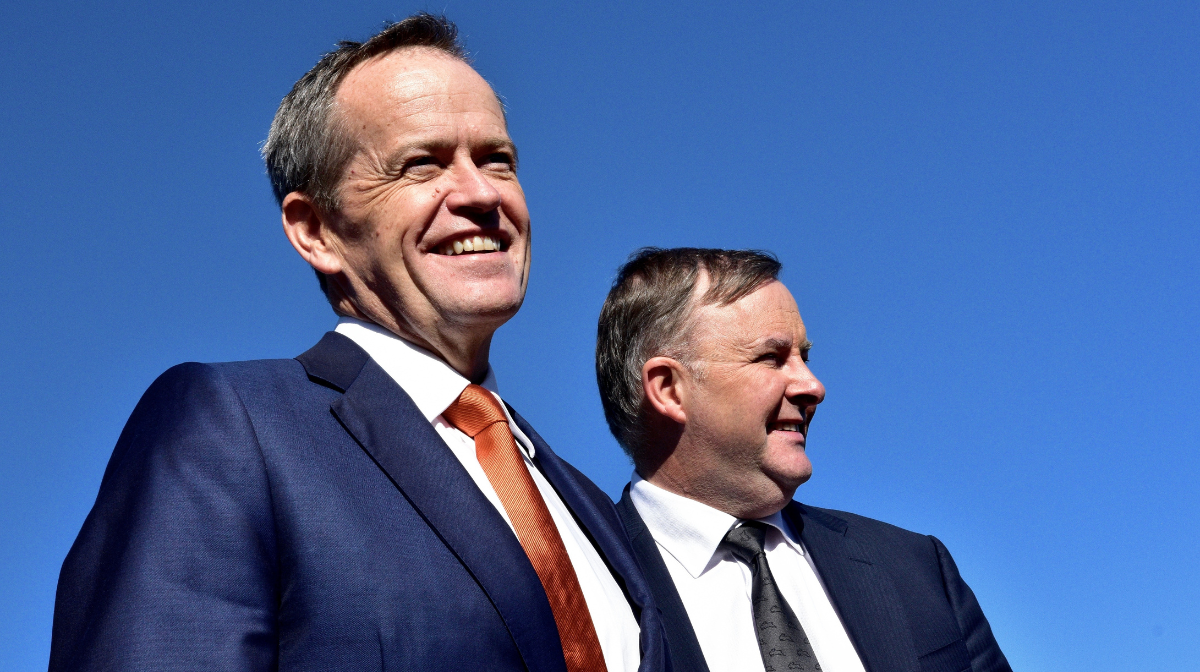
    Among those receiving gifts were Communications Minister Michelle Rowland, who is at the helm of the decision-making process on the gambling advertising ban, and Cabinet Minister Bill Shorten. The details below summarise the allegations highlighted by the AGR’s analysis.

    Person Role Gifts / Notes
    Michelle Rowland Communications Minister Accepted hospitality from Tabcorp for events including an Australia vs. UK rugby match and the Melbourne Cup Carnival; she leads decision-making on the advertising ban.
    Bill Shorten Cabinet Minister Accepted hospitality from Tabcorp and Sportsbet; has expressed opposition to a ban on gambling ads.

    The Backdraft of Cozy Relationships

    The revelations have stoked frustration among those advocating for stringent reforms to tackle gambling’s societal harms. AGR Chief Advocate Tim Costello decried this pattern of gift-giving as a “charm offensive” by the gambling industry, aiming to undermine vital reforms discretely but significantly.

    Amid these revelations, Prime Minister Anthony Albanese reassured the public that no definitive decision on gambling advertising reform has been reached, providing hope to reform advocates.

    Yet, these disclosures paint a complex picture of the entanglements between Australian politics and the gambling industry, demanding heightened transparency and ethical guidelines to safeguard the public interest amidst the lucrative but controversial gambling sector.

  • Australia’s Gambling Advertisement Debate: Albanese Defends Partial Ban Amid Calls for Total Prohibition

    Australia’s Gambling Advertisement Debate: Albanese Defends Partial Ban Amid Calls for Total Prohibition

    Australia’s Gambling Advertisement Debate: Albanese Defends Partial Ban Amid Calls for Total Prohibition

    As the Australian government announces a partial ban on gambling advertisements, Prime Minister Anthony Albanese faces pushback for not committing to a total ban despite widespread public support for more stringent measures.

    Key Takeaways

    • Australian Prime Minister Anthony Albanese defends the government’s partial ban on gambling advertisements amidst criticism.
    • The proposed measures aim to ban gambling ads online, during children’s programs, and live sports broadcasting, with a limit of two ads per hour in general TV programming.
    • Critics, led by advocate Tim Costello, argue for a complete ban, pointing to Australia’s significant problem gambling issues and the influence of gambling advertisements.
    • Australia faces a gambling crisis, with losses averaging AUD1,635 ($1,100) per person annually, motivating calls for more comprehensive advertising restrictions.
    • The debate highlights the tension between protecting personal freedoms and addressing Australia’s gambling addiction problem, with future government actions poised to impact the course of reforms.

    The Government’s Stance

    Facing increasing scrutiny, Australian Prime Minister Anthony Albanese has staunchly defended the government’s decision to implement only a partial ban on gambling advertisements. This decision comes in response to calls from opposition members and public figures advocating for a total ban based on recent polls where most Australians supported more drastic measures.

    Emphasising the rights of adults to make their own decisions, Albanese argues that a total ban on gambling advertisements might impinge upon personal freedoms, a perspective that aims to balance the protection of minors and sports integrity with adults’ decision-making rights.

    The Critics’ Response

    However, not everyone agrees with the government’s approach. Critics, including Tim Costello, a leading advocate for the Alliance for Gambling Reform, argue that the partial ban merely scratches the surface of a much deeper issue.

    Costello, pushing back against accusations of advocating for outright prohibition, emphasises the need for more robust regulatory measures rather than a mere reduction in advertising exposure. These sentiments echo the frustration of campaigners who have been calling for a total advertising ban in the wake of findings published in recent reports outlining Australia’s severe gambling addiction crisis.

    Australia’s Gambling Crisis in Numbers

    • Australians lose an estimated AUD1,635 ($1,100) per person annually on gambling.
    • Gambling losses in Australia are about twice as high as in the United States and New Zealand, spotlighting a national crisis.
    • Pokies and online betting significantly contribute to these losses, impacting lower-income communities.

    The data paints a grim picture of gambling’s impact on Australian society, providing a compelling argument for advocates pushing for more aggressive regulation of gambling advertisements.

    The Path Forward

    The conversation around gambling advertisements in Australia is at a critical juncture. With the government proposing partial restrictions and critics demanding more comprehensive bans, the issue highlights a societal debate over freedom of choice versus the imperative to protect vulnerable populations from gambling’s harms.

    Will future policies lean towards stricter controls, or will the government maintain its current stance prioritising personal freedoms? How Australia navigates this issue will not only affect those directly impacted by problem gambling but also set a precedent for how democracies worldwide approach the regulation of gambling advertisements.

  • NSW’s Cashless Gaming Trial: High Hopes But Low Participation

    NSW’s Cashless Gaming Trial: High Hopes But Low Participation

    In a bold move to combat gambling harm and money laundering, New South Wales launched a cashless gaming trial. Yet, recent reports reveal participation has plummeted, raising questions about the trial’s effectiveness and management.

    Key Takeaways

    • NSW cashless gaming trial sees a drastic drop in participation, with only 32 active users out of 207 signups.
    • The trial aimed to combat gambling harm and money laundering, with a significant issue being poker machines in pubs and clubs.
    • Despite initial participation from leading providers such as Light & Wonder and IGT, only 14 venues remain in the pilot.
    • Opposition critiques the government’s trial management, highlighting excessive costs and limited success.
    • In related news, the Grattan Institute calls for loss limits and an advertising ban to mitigate gambling harm.

    Quick Statistics

    Metric Value
    Initial signups 207
    Active users 32
    Venues (initial → current) 27 → 14
    Total reported expenditure $634,000
    Reported cost per active participant $20,000

    Launched as an innovative strategy to reduce gambling harm and curb money laundering, the cashless gaming trial in New South Wales (NSW) seems to be facing turbulent times.

    Reports from Australia indicate that active participation has drastically dwindled from an initial 207 signups to just 32 individuals. This decline in engagement signals potential challenges in the operational approach and the broader acceptance of cashless gaming solutions within the community.

    A Promising Start Amid Grave Concerns

    The cashless gaming initiative was introduced amid distressing revelations. A report by the NSW Crime Commission pointed out the worrying trend of poker machines in pubs and clubs being used to launder billions.

    With such alarming data, the introduction of cashless trials by NSW was a decisive step towards mitigating these issues. Early on, industry giants like Light & Wonder and IGT were some of the notable participants, signalling a solid industry buy-in.

    Participation Woes

    However, as the trial progressed, a significant drop in venue and participant numbers was observed, shrinking to 14 venues from the original 27. This reduced engagement questions the effectiveness of cashless systems in real-world applications and their acceptance among the target demographic.

    Criticism has been swift and harsh, especially from political quarters. The Opposition Leader, Mark Speakman, didn’t mince words when he described the unfolding situation as a “disgraceful circus.” He laid bare the trial’s financial inefficiencies, spotlighting the $634,000 expenditure that translates to an “eye-watering” $20,000 per active participant.

    Such figures not only raise eyebrows but also cast doubts on the trial’s management and future direction.

    A Broader Conversation on Gambling Harm

    This development occurs alongside wider discussions on gambling harm prevention. The Grattan Institute, a renowned Australian think tank, has made recommendations on loss limits and an advertising ban. Such suggestions address gambling harm at its core, offering solutions that might work in tandem with or independently from cashless gaming mechanisms.

    Where Do We Go From Here?

    The evident challenges facing the NSW cashless gaming trial highlight a complex issue beyond operational hiccups. It touches on societal attitudes towards gambling, technological adoption, and the broader fight against gambling harm and money laundering.

    Will this initiative pave the way for a safer gambling environment, or will it serve as a cautionary tale in implementing tech-based solutions? As the situation unfolds, all eyes will be on NSW to see how they navigate these turbulent waters and what lessons can be learned for the future of gambling harm prevention.

  • The Dark Side of Online Gambling: How Unlicensed Operators Use Big Tech to Target Minors

    The Dark Side of Online Gambling: How Unlicensed Operators Use Big Tech to Target Minors

    Exploring the murky waters of online gambling, a recent Barron investigation with Similarweb sheds light on how overseas gambling platforms are using Big Tech ads to lure in an astonishing number of visitors, many of whom are minors, into the risky world of skin gambling.

    Key Takeaways

    • 27 overseas gambling platforms spent $28 million on Google Search ads in the past three years, attracting 56 million visitors.
    • Many of these platforms violated Big Tech regulations by operating without a license, putting minors at risk.
    • Skin gambling, which uses virtual items from games as currency, is promoted, leveraging the popularity of the Counter-Strike game.
    • Minors are especially vulnerable to gambling ads, with social media introducing them to gambling earlier than ever.
    • Despite strict policies from Google, Meta, and Twitch against gambling and skin gambling ads, these continue to appear on their platforms.
    • Examples include Singapore-based online casino Hellcase, which spent millions on ads despite lacking essential age verification procedures.
    • In Australia, CSGORoll was targeted by the Australian Communications and Media Authority but continued to advertise via Google, revealing deep flaws in ad regulation enforcement.

    In a comprehensive investigation conducted by Barron in collaboration with web traffic analytics giant Similarweb, a concerning pattern has emerged from the shadows of the online gambling industry.

    Over the past three years, 27 overseas gambling platforms have poured approximately $28 million into Google Search ads to draw in a staggering 56 million visitors. What makes this situation alarming is not just the vast sums of money and traffic involved but the fact that the majority of these platforms were unlicensed, breaching Big Tech’s strict advertising policies, and, more distressingly, targeting minors with their ads.

    Skin Gambling: A Legal Gray Area

    Skin gambling stands at the heart of this controversy. This form of gambling allows players to bet using virtual goods, or “skins,” from video games, particularly from the popular game Counter-Strike (CS).

    These skins, which can fetch thousands of dollars on third-party marketplaces, are used as currency in games of chance, blurring the lines between virtual play and real-life gambling.

    This is especially problematic when it comes to minors, who are inherently more susceptible to the lures and risks of gambling.

    A Vulnerable Youth

    Experts like Mark Griffiths, from Nottingham Trent University, and Rob Minnick, who counsels on gambling addiction, highlight the enhanced vulnerability of minors to gambling and its advertising.

    Minnick’s observations on social media’s role in introducing gambling to children at a prematurely young age are particularly concerning. With adolescence itself being a risk factor for developing gambling problems, the aggressive advertising strategies of these platforms could not come at a worse time.

    Big Tech’s Policies vs Reality

    While Big Tech companies like Google, Meta (formerly Facebook), and Twitch have established firm policies against gambling and skin gambling advertising, the effectiveness of these policies is in question.

    Despite clear rules against such practices, investigations have found ongoing advertising efforts from unlicensed gambling platforms on these very platforms. For instance, Hellcase, a Singapore-based online casino, heavily invested in Facebook, Instagram, and Google Search campaigns, alongside collaborations with YouTube influencers, to attract millions despite violating mandatory age verification norms.

    Regulatory Challenges Down Under

    The situation is not much better in Australia, where the Australian Communications and Media Authority (ACMA) took action against skin gambling site CSGORoll for violating gambling laws. Despite regulatory interventions, Google continued to serve ads for CSGORoll, illustrating the complexities and challenges of effectively enforcing these regulations.

    The Takeaway

    The Barron-Similarweb investigation highlights the struggles within the digital advertising space to curtail the proliferation of unlicensed gambling platforms, particularly those that endanger minors.

    The discrepancy between Big Tech’s gambling ad policies and the reality of their enforcement underscores an urgent need for tighter controls and more vigilant oversight. As the online gambling landscape continues to evolve, the priority must be to protect the most vulnerable among us, ensuring that the digital world remains a safe space for all.

  • Betting on the Future: How Shuffle Aims to Revolutionise Crypto Gambling

    Betting on the Future: How Shuffle Aims to Revolutionise Crypto Gambling

    In the high-stakes online gambling world, Shuffle’s co-founder Noah Dummett is all in, aiming to create the world’s largest crypto-wagering platform. With a blend of innovation and lessons drawn from the rise and fall of crypto giants, Shuffle is making bold moves to dominate the crypto casino space.

    Key Takeaways

    • Shuffle.com generates over $1bn in monthly wagers just 15 months after launch.
    • Co-founder Noah Dummett draws insights from his experiences at BitMEX and FTX to steer Shuffle’s growth.
    • Plans include building a strong community through the SHFL token and ambitious marketing.
    • Dummett emphasises the importance of quick development and responsiveness to user demand to outpace traditional fiat gambling operators.

    Noah Dummett, co-founder and CEO of Shuffle, has made it clear on a recent NEXT.io podcast episode with Pierre Lindh that he is not just betting on the future of crypto gambling but is determined to shape it.

    With the rapid success of Shuffle.com, generating over $1 billion in monthly wagers within just 15 months of going live, Dummett and his team are on a fast track to creating the “largest crypto wagering operator in the world.”

    A New Era of Crypto Casinos

    Shuffle stands among the trailblazers of a new generation of crypto casinos, alongside names like MyPrize and esports-focused Rivalry, reshaping the industry’s landscape.

    Dummett’s journey into the crypto and gambling world is as unconventional as inspiring. A self-taught coder who left school early to escape farm life in Australia, he delved into the tech world and eventually pivoted into crypto, joining the ranks of BitMEX and later FTX.

    His experiences at these companies—witnessing their explosive growth and subsequent challenges—have provided invaluable lessons for steering Shuffle’s trajectory.

    Learning from the Past

    Dummett’s reflection on his time at BitMEX and FTX reveals a mix of thrilling innovation and cautionary tales. “It felt electric like we were at the start of something massive,” he said about his time at FTX.

    But he also noted, “it was messy, with no real processes in place.” These experiences highlight the importance of discipline and structure amidst fast growth, lessons Dummett carries forward into Shuffle’s operations.

    When comparing Shuffle’s strategies with those of other companies, Dummett pointed to Stake.com as a model of success, noting that marketing and distribution were crucial to its growth. However, he also has his eyes set on avoiding the pitfalls that have ensnared other fast-growing firms, including those that lost their way due to rapid expansions and a detachment from core values.

    Building Community and Speedy Innovation

    Central to Shuffle’s growth strategy is the development and integration of the SHDSFL token, which aims to foster a loyal community around the platform. Dummett’s insight into the significance of community engagement in the gambling world, coupled with innovative approaches like substantial airdrops, underscores his commitment to building a solid user base.

    Moreover, Dummett advocates for a philosophy of rapid development, urging traditional fiat gambling operators to adapt or risk obsolescence. His approach prioritises responsiveness to user demands and leveraging the latest in blockchain technology to stay ahead in the highly competitive realm of online gambling.

    The Road Ahead

    Dummett’s vision for Shuffle is to dominate the crypto casino industry and shake up the online gambling landscape.

    Drawing from his lengthy experience and lessons from the crypto world’s highs and lows, he is poised to lead his team towards a future where Shuffle is not just a platform but a revolution in the gambling world.

    As we watch Shuffle’s journey unfold, two things are clear: the online gambling industry is at the brink of a new era, and Noah Dummett is not just participating in the game—he’s aiming to change it.

  • Victoria’s Online Gambling Overhaul: A New Dawn for Player Transparency and Protection

    Victoria’s Online Gambling Overhaul: A New Dawn for Player Transparency and Protection

    Victoria’s Online Gambling Overhaul: A New Dawn for Player Transparency and Protection

    Victoria has rolled out new requirements for online gambling operators, marking a significant step towards enhancing player transparency and protection.

    With these changes, the Victoria Gambling and Casino Control Commission (VGCCC) aims to ensure that punters are better informed and positioned to make responsible gambling choices.

    Key Takeaways

    • New standards for Victoria-licensed online gambling operators enforced from 1 April.
    • Focus on display of net loss, net wins, and spending information in player accounts.
    • Stringent guidelines include the use of plain English and limited colours to highlight losses and include gambling harm messaging.
    • Penalties for non-compliance could amount to AU$11,539 per non-compliant activity statement issued.
    • Extensions granted to major operators for system changes, with full compliance expected by 31 March 2024.
    • Broader efforts by the VGCCC to address gambling harm, including fines and operational changes for land-based gambling providers.

    As of 1 April, the online gambling world woke up to a fresh round of new regulations.

    Victoria-licensed operators are now mandated to align their systems with the standards set forth by the Victoria Gambling and Casino Control Commission (VGCCC). To increase transparency and fairness in reporting online gambling activity, it strives to provide players with clearer insights into their gambling habits.

    Enhanced Reporting for Better Decision Making

    The most notable change is an increased emphasis on how spending, net loss, and wins are displayed within player accounts.

    A significant change is that the net loss will now exclude free and bonus bets, offering a more accurate measure of player expenditure. Similarly, net wins will be calculated by subtracting all stakes from the total payout, ensuring that consumers’ monthly statements present a precise picture of their financial interactions with the platform.

    The VGCCC has also set guidelines requiring licensees to use plain language, removing technical jargon that might cloud understanding. Moreover, a simple but impactful visual directive is the limitation of colours to black and red, designed to make losses starkly apparent. Each monthly statement is further required to feature messaging aimed at mitigating gambling harm, echoing the commission’s commitment to player welfare.

    Operators found breaching these new standards could face penalties up to 60 penalty units, translating to AU$11,539 for every non-compliant activity statement issued.

    A Collaboratively Forged Path to Compliance

    Acknowledging the complexity of these changes, the VGCCC has not sprung this upon operators out of the blue.

    The conversation around these adjustments began some 18 months prior, rooted in the National Consumer Protection Framework’s (NCPF) activity statement requirements that emerged in November 2022. An initial review of the monthly activity statements from twelve wagering service providers sparked the development of an Activity Statement Expectations Guide, alongside an updated statement prototype to aid in steering the practice towards the new standards.

    After a period of feedback and collaboration, the VGCCC finalised these measures, initially slated for implementation by 1 December 2023. Recognising the mammoth task of system overhauls, extensions to 31 March 2024 were granted to major operators including Tabcorp, Entain, and Betfair, ensuring they have adequate time to comply.

    Safeguarding Victoria’s Gamblers

    This initiative is part of a broader, concerted effort by the VGCCC to curb gambling harm. Recent actions include significant fines for operators found breaching responsible gambling rules and mandates for technological changes to minimise underage gambling risks in land-based venues.

    Emblematic of the commission’s vigilant oversight in the land-based sector, its recent endorsement of Crown Resorts’ licence after a comprehensive review speaks to its balanced approach. Acknowledging the casino’s corrective strides post-criticism for past misdemeanours while highlighting its substantial role as an employer in the state underscores the nuanced responsibilities the regulator navigates in ensuring both industry viability and player protection.

    As Victoria treads forward with these reforms, the horizon looks promising for a gambling environment that champions clarity, fairness, and the well-being of its participants.

  • The Guardian’s Ban on Gambling Advertising: A Game-Changer for the Industry?

    The Guardian’s Ban on Gambling Advertising: A Game-Changer for the Industry?

    The Guardian has recently announced a global ban on all forms of gambling advertising. The media outlet stated they don’t wish to profit from gambling ads, gambling promotions or any services which promote riskier betting behaviour.

    In this article, we’ll explore what the gambling advertising ban means and its impacts on the online gambling industry. We’ll also discuss some of the broader issues around sports gambling ads in Australia.

    Why Has The Guardian Implemented a Betting Advertising Ban?

    The Guardian has issued a blanket global ban on all gambling ads across each of its publications. Guardian Media Group’s Australian Chief Executive, Anna Bateson, believes the news outlet has an obligation to do the right thing for readers.

    The Guardian will no longer accept advertising money from gambling companies or gambling sponsors. The intention is to help reduce gambling harm. Which the outlet believes may be linked to an increase in betting advertising and sports betting ads worldwide.

    Reducing riskier gambling behaviour

    A recent study by the University of Sheffield showed a correlation between exposure to gambling advertising and increased intent to gamble regularly. Ms Bateson believes that this correlation could lead to a surge in public health and social problems. Such as mental health issues, particularly for young people. She welcomes the ban on gambling ads despite the impact it will have on the organisation’s bottom line.

    The decision comes at a time of rapid growth of online betting on sporting events. Australians, particularly young adults, are gambling more than ever. Access to sports betting and online gambling has never been easier with the use of mobile devices.

    Community concerns about gambling harm

    Community concerns have been a significant factor in the publication’s decision to ban gambling ads in Australia. Many people believe gambling ads and sports betting are becoming normalised among children and young people. And that action is needed to limit children’s exposure, particularly to the volume of gambling ads shown on free to air tv.

    While gambling ads were once limited to live sport on tv, they’ve spread to more mainstream tv programs. Community groups are calling for more to be done to help protect children and young people.

    There is also increased public pressure and lobbying at the federal government level to help prevent problem gambling. For example, banning gambling advertising like tobacco advertising. Or introducing tighter measures similar to alcohol advertising in Australia.

    What Types of Gambling Ads Are Included in The Ban?

    The ban covers all forms of gambling advertising:

    • sports betting
    • gambling products
    • online casinos
    • scratchcards

    The only exclusion is lottery, which is believed to offer some positive social benefits as it raises money for good causes.

    What Impact Will Banning Gambling Ads Have?

    Media outlets worldwide are reliant on revenue from advertising. And online gambling and betting companies are big spenders. For example, in the UK, TV channels say their business models are increasingly dependent on gambling advertising from bookmakers. But it’s not yet clear how many media outlets will have the financial backing to ban gambling ads completely like The Guardian.

    Financial impact

    Ms Bateson says that The Guardian can make these decisions due to their independent ownership structure. But she does admit the move will cost the publication millions of dollars each year in advertising revenue. She also stated online gambling and sports betting advertising are the fastest-growing ad category.

    Emerging platforms for online gambling and betting ads

    Parents, in particular, are pushing for change and tighter regulations. Especially as betting advertising begins to move into other forms of media. Social media platforms are now becoming popular channels for gambling promotions. For example, TikTok is trialling gambling advertising in Australia.

    Gambling Advertising in Australia

    Gambling ads and sports betting advertising are undoubtedly on the rise throughout Australia. Analysis by Nielsen Research shows the gambling industry spent $287.2 million in 2021 on advertising in Australia, up from $89.7 million in 2011. In 2021, there was an average of 948 gambling advertisements broadcast daily on free to air tv in Victoria. Up from 374 daily ads on free to air tv in 2016.

    The Australian Gambling Research Centre states that 78% of Australian adults said they saw or heard betting advertising at least once a week over the past year. And around 40% stated they saw gambling advertisements four or more times a week.

    Current gambling advertising restrictions

    Each state has slightly different rules when it comes to advertising and the gambling industry. For example, in Victoria there is a ban on gambling and sports betting ads on roads and public transport, and within 150 metres of schools. In a recent review of gambling ads, NSW, Queensland and Tasmania governments said existing rules are insufficient. While South Australia suggested an outright ban on sports-betting ads.

    Responsible Gambling and Young People

    According to a new report conducted by the Victorian Responsible Gambling Foundation, one in four children can name four gambling brands or more. Highlighting just how often gambling-like content is shown during family-friendly shows on free to air tv.

    Young people are at the most risk of gambling harm, particularly between the ages of 18 and 34. Largely because of the increased volume of advertising throughout radio, TV and online.

    Additional Changes to Australia’s Gambling Industry

    The Albanese Government recently announced that Australian gamblers would be banned from using credit cards for online betting. It’s a move to help address gambling harms associated with problem gambling and encourage punters only to gamble when they have the funds to do so.

    But it could signal other changes that may impact the online gambling industry (and gambling ads) in the years to come.