Blog

  • Australian Man Wins $8.5 Million Powerball Jackpot, Announces Early Retirement

    Australian Man Wins $8.5 Million Powerball Jackpot, Announces Early Retirement

    In an extraordinary turn of events, a man from Kangy Angy, Australia, discovers he’s won a massive $8.5 million in the Powerball jackpot, contemplating early retirement and celebratory dinner plans.

    Key Takeaways

    • An Australian from Kangy Angy won the Powerball jackpot of AU$12 million ($8.5 million).
    • The winner was the sole holder of the division one winning ticket.
    • He purchased a 50-game QuickPick ticket through The Lott’s official mobile app.
    • The winner was informed about his jackpot win via an email after missing calls from the Lottery.
    • Plans to retire early and celebrate with a dinner out with his wife.

    Jackpot Joy at Work

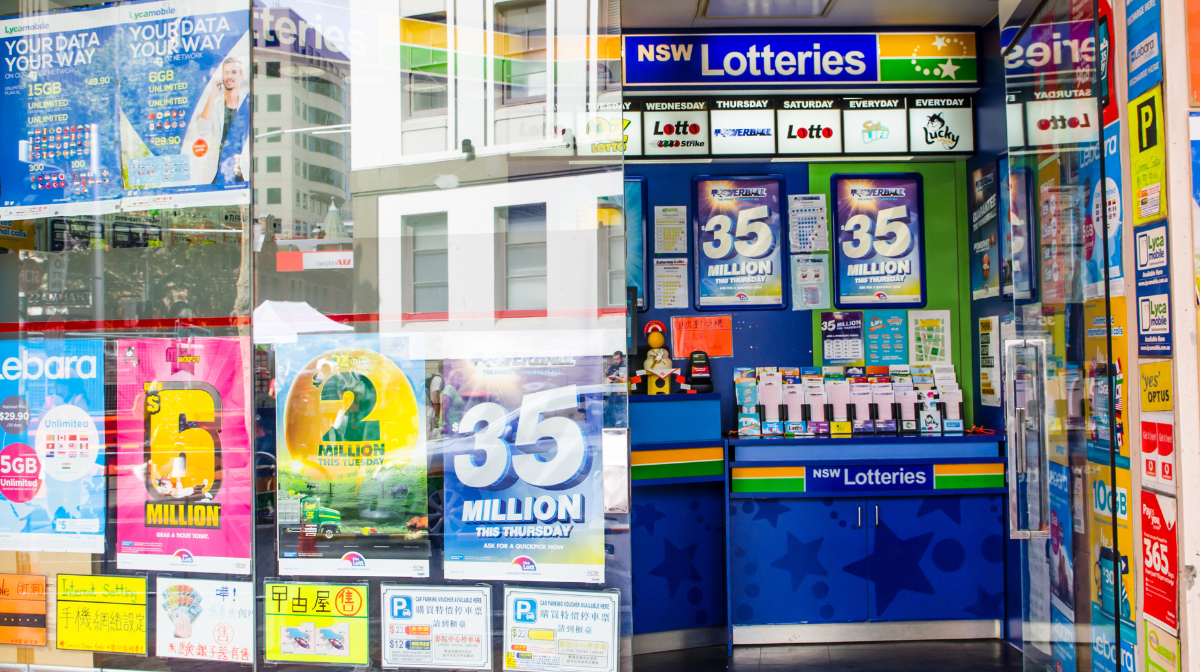
    Imagine this: you’re at work, slogging through another day, when you find out you’ve just won a Powerball jackpot of AU$12 million ($8.5 million). That’s exactly what happened to a lucky dad from Kangy Angy, Australia.

    After the Powerball draw on Thursday night, he was unaware of his fortune until he encountered a series of missed calls and finally an email informing him of his win. “It’s so surreal,” said the astounded winner upon confirming the life-changing news.

    A Stroke of Luck with QuickPick

    The winner’s approach to lottery tickets might make you rethink your own strategies. Instead of painstakingly choosing his numbers, he opted for the QuickPick feature on The Lott’s official mobile app to purchase his 50-game ticket.

    This decision landed him the only division one winning ticket across the country for that draw, with winning numbers 10, 11, 13, 15, 16, 18, 34 and Powerball number 2. “I guess these are my lucky numbers now,” he remarked, still in disbelief over his fortune.

    Early Retirement and Dinner Plans

    What does one do after winning such a monumental prize? For our winner, the immediate plan is to retire earlier than he had expected, a dream come true that many can only hope for. His first order of celebration is to take his wife out to dinner and share the incredible news. “She will be over the moon about the news,” he predicted, already envisioning the look on her face.

    Winning the lottery is a distant dream for most, but it became a staggering reality for one man in Kangy Angy. Not only does this win allow him an early retirement, but it also brings a sense of excitement for the future.

    Could opting for QuickPick be the secret sauce to lottery success? For this lucky Australian, it certainly was.

  • Australians Take to BetStop for Responsible Gaming

    BetStop’s self-exclusion program has been met with notable enthusiasm across Australia, with thousands opting for a safer gambling experience. Here’s a breakdown of what’s happening.

    Key Takeaways

    • Over 30,000 individuals have registered for self-exclusion via BetStop as of September 2024.
    • Young Australians, particularly those 30 and under, lead the demographic for registrations.
    • New South Wales boasts the highest number of BetStop registrants.
    • A significant number of people have opted for lifetime self-exclusions.
    • Registrations have seen a decrease over the past three quarters.

    Overview

    Since its launch in August last year, BetStop, Australia’s nationwide self-exclusion service for online and phone betting, has seen a promising uptake.

    According to the latest data from the Australian Communications and Media Authority (ACMA), nearly 30,500 people have decided to take significant steps towards responsible gambling by signing up for the program. Below is a deeper look at what the data reveals.

    State-Wise Engagement

    The statistics underline strong engagement across the states, with New South Wales (NSW) taking the lead. A striking 9,537 individuals from NSW have registered with BetStop, dwarfing figures from other states.

    Following NSW, Victoria and Queensland have also shown high engagement levels, with 8,193 and 6,140 registrations, respectively. The initiative has garnered widespread attention, highlighting a nationwide commitment to promoting safer gambling habits.

    State / Territory Registrations
    New South Wales (NSW) 9,537
    Victoria 8,193
    Queensland 6,140
    Other states & territories (combined) 6,630
    Total (approx.) 30,500
    Registrations by state (selected)

    Who’s Signing Up?

    The demographic breakdown is one of the most enlightening aspects of the BetStop sign-up data. Young Australians, those aged 30 and under, constitute nearly half of all registrants. This demographic shift suggests a growing awareness and concern among younger generations about the risks associated with gambling.

    Moreover, the choice of self-exclusion duration is telling. While an equal percentage of people opted for lifetime and temporary exclusions (three months to two years), a minimal percentage chose longer exclusions of over two years. This distribution hints at the varying levels of commitment to stepping away from gambling, with a significant chunk of participants recognising the need for a definitive break.

    Duration Notes
    Lifetime A substantial proportion of registrants chose lifetime exclusion, indicating strong, long-term commitments to stop gambling.
    Temporary (3 months to 2 years) An equal proportion to lifetime exclusions, suggesting many seek a defined break rather than a permanent choice.
    Over 2 years Only a small percentage selected this option, showing longer-term but non-permanent commitments are less common.
    Self-exclusion durations (summary)

    A Trend or a Phase?

    Since its inception, BetStop experienced a steady increase in registrations. However, recent quarters indicate a decline in new sign-ups, marking the most recent quarter as the quietest since the scheme’s launch.

    This dip could signal a plateauing of initial enthusiasm or indicate the scheme reaching those who most need it. It raises questions about the future trajectory of BetStop’s adoption rate and what strategies might be employed to maintain or increase engagement.

    Compliance and Future Directions

    The requirement for licensed wagering providers to promote BetStop is a crucial factor in its visibility and success. ACMA’s role in monitoring compliance ensures that the scheme receives the attention it deserves from providers and gamblers. As the program matures, it will be fascinating to see how these dynamics evolve and what impact BetStop has on the landscape of online and phone wagering in Australia.

    BetStop represents a critical step forward in promoting responsible gambling across Australia. With thousands taking proactive steps to manage their gambling, the program offers a blueprint for other countries grappling with similar issues. How it adapts and grows to meet the needs of Australian gamblers will be crucial for its continued success.

  • Australian Politicians Under Scrutiny for Accepting Gifts from Gambling Industry

    Australian Politicians Under Scrutiny for Accepting Gifts from Gambling Industry

    As the Australian government deliberates on a ban on gambling advertising, revelations about the gambling industry “showering” federal politicians with gifts raise eyebrows and concerns over potential conflicts of interest.

    Key Takeaways

    • Australian politicians have received 60 gifts from the gambling industry during the current parliamentary session.
    • The Alliance for Gambling Reform’s (AGR) analysis unveiled these findings, stirring concerns over the influence of gambling lobbyists.
    • Key decision-makers, including Communications Minister Michelle Rowland and Cabinet Minister Bill Shorten, have been targeted with gifts from big industry names like Tabcorp.
    • AGR criticises this as a covert lobbying effort hindering necessary gambling reforms, such as the proposed advertising ban.

    Unpacking the Influence of the Gambling Lobby

    Amid heated debates over the potential ban on gambling advertising, the Australian political scene is facing scrutiny for its uncomfortably close ties with the gambling industry.

    The Alliance for Gambling Reform (AGR) has revealed concerning interactions, indicating a potentially undue influence on lawmakers expected to make unbiased decisions on critical reforms.

    A Glance at the Gifts

    The AGR’s investigative efforts, powered by a new tool dubbed the Influence Engine, have revealed that 32 parliamentarians accepted an array of 60 gifts throughout the current session of parliament.

    These weren’t ordinary tokens but included tickets to high-profile events, races, dinners, and sporting events, some of which were offered to pivotal figures in the gambling regulation debate.

    The Tip of the Iceberg

    However, the AGR suggests that what has been disclosed might only be “the tip of the iceberg,” given that only gifts valued over A$300 are mandated to be reported. This raises questions about the actual magnitude of the gambling industry’s efforts to sway political opinions and decisions.

    Key Figures in the Spotlight

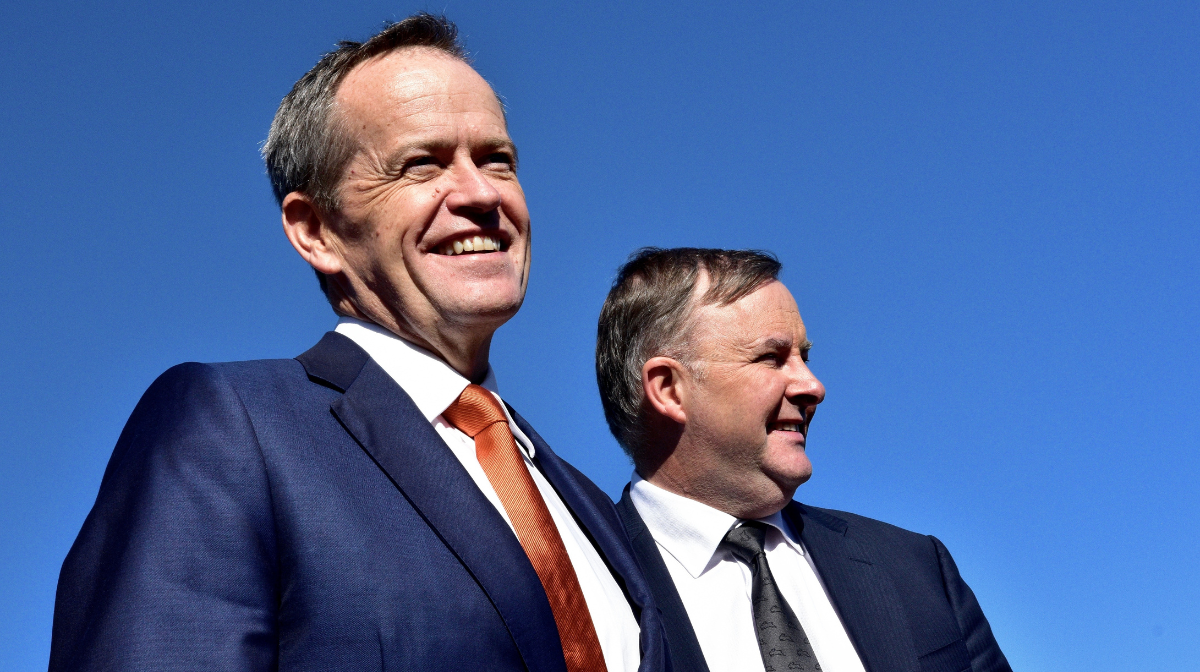
    Among those receiving gifts were Communications Minister Michelle Rowland, who is at the helm of the decision-making process on the gambling advertising ban, and Cabinet Minister Bill Shorten. The details below summarise the allegations highlighted by the AGR’s analysis.

    Person Role Gifts / Notes
    Michelle Rowland Communications Minister Accepted hospitality from Tabcorp for events including an Australia vs. UK rugby match and the Melbourne Cup Carnival; she leads decision-making on the advertising ban.
    Bill Shorten Cabinet Minister Accepted hospitality from Tabcorp and Sportsbet; has expressed opposition to a ban on gambling ads.

    The Backdraft of Cozy Relationships

    The revelations have stoked frustration among those advocating for stringent reforms to tackle gambling’s societal harms. AGR Chief Advocate Tim Costello decried this pattern of gift-giving as a “charm offensive” by the gambling industry, aiming to undermine vital reforms discretely but significantly.

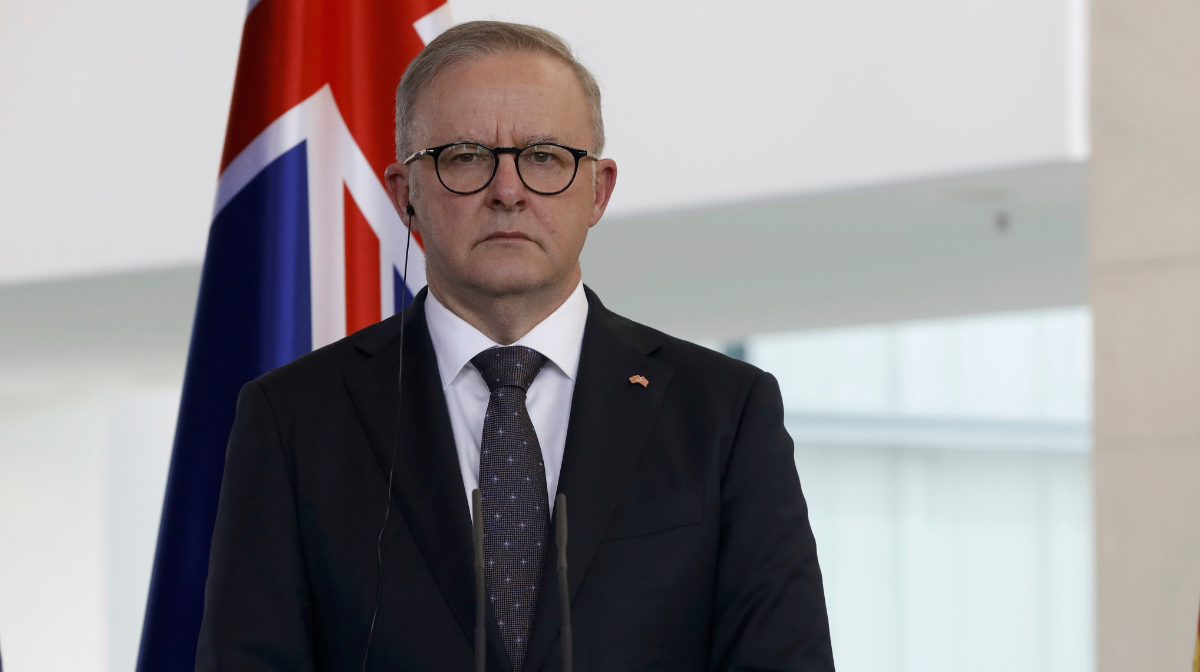
    Amid these revelations, Prime Minister Anthony Albanese reassured the public that no definitive decision on gambling advertising reform has been reached, providing hope to reform advocates.

    Yet, these disclosures paint a complex picture of the entanglements between Australian politics and the gambling industry, demanding heightened transparency and ethical guidelines to safeguard the public interest amidst the lucrative but controversial gambling sector.

  • Apple Tightens Age Ratings on Gambling Apps in Australia and France

    Apple Tightens Age Ratings on Gambling Apps in Australia and France

    In a significant move to enhance user safety, especially among children, Apple has announced changes to the App Store’s age ratings for apps with gambling content in Australia and France.

    Key Takeaways

    • Apple updates App Store age ratings for gambling content apps in Australia and France.
    • All apps featuring simulated gambling in Australia will carry an R18+ rating alongside Apple’s global age ratings.
    • In France, apps with a 17+ Apple global age rating will now display an 18+ regional age rating.
    • The changes respond to new Australian classification guidelines and concerns over gambling-like content in video games.
    • Australian video games featuring paid loot boxes or similar mechanics will receive a minimum Mature (M) classification, and those with simulated gambling will be rated R18+.

    In response to growing concerns over the potentially harmful effects of gambling-like content in video games and apps, particularly on young users, Apple has decided to adjust the App Store age ratings specifically for users in Australia and France.

    This move shows Apple’s proactive approach to addressing issues related to problem gambling and the influence of gambling-themed content accessible through its platform.

    Australia Takes a Firm Stance

    The Australian Government’s new guidelines, which take effect on 22 September 2024, have led to stricter measures against apps featuring gambling or simulated gambling content. Under these new rules, apps with such content will now carry an R18+ rating in Australia.

    This means that when Australian users browse the App Store, they will see both Apple’s global age rating and the stricter regional rating, ensuring that only adults can access content marked as R18+.

    These changes are part of broader classification updates aimed at video games with gambling-like mechanics, including paid loot boxes and chance-based in-game purchases, which have faced increased scrutiny. With these new regulations, games containing these elements will receive at least a Mature (M) classification, signalling that they are unsuitable for players under 15.

    More critically, games featuring simulated gambling will be given an R18+ classification, restricting their availability to adult users only.

    France Joins in Heightening User Protection

    France has followed a similar path, although with a slightly different approach. Apps with a 17+ rating under Apple’s global age system will now also display an 18+ regional age rating in the French App Store.

    This change aligns with broader efforts to ensure that digital content in France adheres to local laws and regulations, providing additional protection for users from potentially harmful content.

    A Proactive Approach to Digital Safety

    Apple’s decision to implement these changes without requiring developers to take action beyond compliance reflects a significant step toward creating a safer digital environment for users of all ages.

    By aligning with local regulations in Australia and France, Apple is complying with legal standards and championing digital safety, particularly for younger users who are more vulnerable to the appeal of gambling-like content in apps and games.

    This strategic shift by one of the digital world’s leading platforms could inspire other companies to follow suit, promoting a global digital ecosystem where content remains innovative and engaging while being responsible and safe for all users.

  • Australia’s Push for a Gambling Advertisement Ban: A Call for Change

    Australia’s Push for a Gambling Advertisement Ban: A Call for Change

    In a bold move directed towards addressing the escalating issue of compulsive gambling, Australia’s Alliance for Gambling Reform has penned an open letter to the Prime Minister and the Opposition, advocating for a sweeping ban on gambling advertisements.

    With the backing of over 70 distinguished Australian figures, this proposal aims to mitigate the adverse social, financial, and health repercussions proliferated by the pervasive advertising of gambling.

    Key Takeaways

    • The Alliance for Gambling Reform in Australia demands a comprehensive ban on gambling advertising within the next three years.
    • Over 70 influential Australians, including former Prime Ministers and CEOs, support the initiative.
    • The spikes in gambling advertisement have been linked to social, financial, and health problems, including violence and suicide.
    • Youth, particularly teenage boys aged 14, are increasingly targeted via social media campaigns.
    • Australia struggles with one of the world’s highest per capita losses due to gambling, amounting to approx. 25 billion AUD annually.
    • Previous measures include the BetStop self-exclusion register and a ban on gambling with credit cards.
    • Similar calls for gambling advertisement bans have emerged in Germany and the UK, suggesting a growing global consensus on the issue.

    Sweeping Reform at the Doorstep

    Amidst Australia’s beautiful landscapes and vibrant cities lurks a less picturesque reality – a gambling problem of epic proportions, with annual losses estimated at a staggering 25 billion AUD.

    In a determined effort to counteract the pervasive influence of gambling, the Alliance for Gambling Reform has taken a formidable stand by addressing an open letter to top political figures, including Prime Minister Anthony Albanese and Opposition leader Peter Dutton.

    A Tsunami of Advertisements

    Gambling advertisements have been likened to a tsunami, washing over the public conscience and leaving a trail of devastation.

    The Alliance highlights a troubling trend – the targeting of the youth, particularly through social media platforms, potentially grooming a new generation of gamblers. With over 1 million gambling advertisements flooding Australian TVs and radios annually, the cry for regulation is louder than ever.

    The Voices Behind the Movement

    The call for change is not a lone cry in the wilderness; it resonates with the support of over 70 notable Australian figures.

    The echelons of support not only include former Prime Ministers like Hon John Howard and Hon Malcolm Turnbull but also stretch into the realms of academia, healthcare, and the corporate sphere, showcasing a unified front against the scourge of gambling ads.

    A Global Perspective

    It’s not just Australia that’s grappling with the issue; similar movements in Germany and the UK highlight a growing consensus on the need to curb gambling advertisement.

    With Germany’s failed attempt to restrict sports betting ads and the UK’s forthcoming ban on gambling sponsorships in Premier League football, the world is watching and, perhaps, learning.

    What Lies Ahead?

    Australia stands at a crossroads. With the proposal laid out and the voices rallying for change, the ball is now in the politicians’ court.

    Will Australia take a leaf out of the UK’s book and pave the way for a healthier, gambling-ad-free society? Or will the allure of gambling revenue continue to shadow the real cost of addiction and societal harm?

    The coming years will reveal if Australia is ready to bet on its future well-being over the immediate gains of gambling ads.

  • Australians Lose $32 Billion Annually in Gambling

    Australians Lose $32 Billion Annually in Gambling

    The world of gambling has always been one with high stakes and significant losses, but in Australia, the numbers have reached an astonishing level.

    With an annual loss of $32 billion AUD, it’s clear that gambling has become more than just a pastime for many.

    Key Takeaways

    • Australians lose approximately $32 billion to gambling each year.
    • This figure places Australia as one of the top countries in terms of individual gambling losses.
    • Online casinos and sports betting are significant contributors to these losses.

    Gambling in Australia has long been a popular activity. Still, the recent figures showcasing an annual loss of AUD 32 billion have raised concerns and sparked discussions about the country’s gambling culture.

    It begs the question, why are Australians losing so much money, and what does this mean for the future of gambling in the country?

    The Magnitude of Losses

    The amount of money Australians lose every year to gambling is staggering and worth a closer look:

    • $32 billion AUD translates to roughly $24 billion USD, placing Australia at the forefront of global gambling losses per capita.
    • These losses span across various forms of gambling, including traditional casinos, online casinos, sports betting, and pokies (slot machines) located in pubs and clubs.

    Online Gambling: A Growing Concern

    While traditional casinos have always been a hotbed for gambling activities, the rise of online gambling sites and sports betting apps has contributed significantly to the increase in gambling losses.

    These platforms offer convenience and a wide array of betting options, making it easier for individuals to gamble from the comfort of their homes or on the go.

    • Online casinos and betting sites are becoming increasingly popular, offering a plethora of games and betting opportunities.
    • The accessibility of online gambling has led to concerns about increased addiction and financial strain among gamblers.

    Looking Ahead

    The astonishing $32 billion AUD loss points to a deeper issue within Australia’s gambling culture.

    It’s clear that measures need to be taken to address the growing concern of gambling addiction and the financial devastation it can cause. Industry experts are advocating for stricter regulations on online gambling, better support systems for those struggling with addiction, and increased public awareness about the potential risks of gambling.

    The future of gambling in Australia hangs in the balance, and the actions taken now will have lasting impacts on generations to come.

  • Australia’s Gambling Advertisement Debate: Albanese Defends Partial Ban Amid Calls for Total Prohibition

    Australia’s Gambling Advertisement Debate: Albanese Defends Partial Ban Amid Calls for Total Prohibition

    Australia’s Gambling Advertisement Debate: Albanese Defends Partial Ban Amid Calls for Total Prohibition

    As the Australian government announces a partial ban on gambling advertisements, Prime Minister Anthony Albanese faces pushback for not committing to a total ban despite widespread public support for more stringent measures.

    Key Takeaways

    • Australian Prime Minister Anthony Albanese defends the government’s partial ban on gambling advertisements amidst criticism.
    • The proposed measures aim to ban gambling ads online, during children’s programs, and live sports broadcasting, with a limit of two ads per hour in general TV programming.
    • Critics, led by advocate Tim Costello, argue for a complete ban, pointing to Australia’s significant problem gambling issues and the influence of gambling advertisements.
    • Australia faces a gambling crisis, with losses averaging AUD1,635 ($1,100) per person annually, motivating calls for more comprehensive advertising restrictions.
    • The debate highlights the tension between protecting personal freedoms and addressing Australia’s gambling addiction problem, with future government actions poised to impact the course of reforms.

    The Government’s Stance

    Facing increasing scrutiny, Australian Prime Minister Anthony Albanese has staunchly defended the government’s decision to implement only a partial ban on gambling advertisements. This decision comes in response to calls from opposition members and public figures advocating for a total ban based on recent polls where most Australians supported more drastic measures.

    Emphasising the rights of adults to make their own decisions, Albanese argues that a total ban on gambling advertisements might impinge upon personal freedoms, a perspective that aims to balance the protection of minors and sports integrity with adults’ decision-making rights.

    The Critics’ Response

    However, not everyone agrees with the government’s approach. Critics, including Tim Costello, a leading advocate for the Alliance for Gambling Reform, argue that the partial ban merely scratches the surface of a much deeper issue.

    Costello, pushing back against accusations of advocating for outright prohibition, emphasises the need for more robust regulatory measures rather than a mere reduction in advertising exposure. These sentiments echo the frustration of campaigners who have been calling for a total advertising ban in the wake of findings published in recent reports outlining Australia’s severe gambling addiction crisis.

    Australia’s Gambling Crisis in Numbers

    • Australians lose an estimated AUD1,635 ($1,100) per person annually on gambling.
    • Gambling losses in Australia are about twice as high as in the United States and New Zealand, spotlighting a national crisis.
    • Pokies and online betting significantly contribute to these losses, impacting lower-income communities.

    The data paints a grim picture of gambling’s impact on Australian society, providing a compelling argument for advocates pushing for more aggressive regulation of gambling advertisements.

    The Path Forward

    The conversation around gambling advertisements in Australia is at a critical juncture. With the government proposing partial restrictions and critics demanding more comprehensive bans, the issue highlights a societal debate over freedom of choice versus the imperative to protect vulnerable populations from gambling’s harms.

    Will future policies lean towards stricter controls, or will the government maintain its current stance prioritising personal freedoms? How Australia navigates this issue will not only affect those directly impacted by problem gambling but also set a precedent for how democracies worldwide approach the regulation of gambling advertisements.

  • NSW’s Cashless Gaming Trial: High Hopes But Low Participation

    NSW’s Cashless Gaming Trial: High Hopes But Low Participation

    In a bold move to combat gambling harm and money laundering, New South Wales launched a cashless gaming trial. Yet, recent reports reveal participation has plummeted, raising questions about the trial’s effectiveness and management.

    Key Takeaways

    • NSW cashless gaming trial sees a drastic drop in participation, with only 32 active users out of 207 signups.
    • The trial aimed to combat gambling harm and money laundering, with a significant issue being poker machines in pubs and clubs.
    • Despite initial participation from leading providers such as Light & Wonder and IGT, only 14 venues remain in the pilot.
    • Opposition critiques the government’s trial management, highlighting excessive costs and limited success.
    • In related news, the Grattan Institute calls for loss limits and an advertising ban to mitigate gambling harm.

    Quick Statistics

    Metric Value
    Initial signups 207
    Active users 32
    Venues (initial → current) 27 → 14
    Total reported expenditure $634,000
    Reported cost per active participant $20,000

    Launched as an innovative strategy to reduce gambling harm and curb money laundering, the cashless gaming trial in New South Wales (NSW) seems to be facing turbulent times.

    Reports from Australia indicate that active participation has drastically dwindled from an initial 207 signups to just 32 individuals. This decline in engagement signals potential challenges in the operational approach and the broader acceptance of cashless gaming solutions within the community.

    A Promising Start Amid Grave Concerns

    The cashless gaming initiative was introduced amid distressing revelations. A report by the NSW Crime Commission pointed out the worrying trend of poker machines in pubs and clubs being used to launder billions.

    With such alarming data, the introduction of cashless trials by NSW was a decisive step towards mitigating these issues. Early on, industry giants like Light & Wonder and IGT were some of the notable participants, signalling a solid industry buy-in.

    Participation Woes

    However, as the trial progressed, a significant drop in venue and participant numbers was observed, shrinking to 14 venues from the original 27. This reduced engagement questions the effectiveness of cashless systems in real-world applications and their acceptance among the target demographic.

    Criticism has been swift and harsh, especially from political quarters. The Opposition Leader, Mark Speakman, didn’t mince words when he described the unfolding situation as a “disgraceful circus.” He laid bare the trial’s financial inefficiencies, spotlighting the $634,000 expenditure that translates to an “eye-watering” $20,000 per active participant.

    Such figures not only raise eyebrows but also cast doubts on the trial’s management and future direction.

    A Broader Conversation on Gambling Harm

    This development occurs alongside wider discussions on gambling harm prevention. The Grattan Institute, a renowned Australian think tank, has made recommendations on loss limits and an advertising ban. Such suggestions address gambling harm at its core, offering solutions that might work in tandem with or independently from cashless gaming mechanisms.

    Where Do We Go From Here?

    The evident challenges facing the NSW cashless gaming trial highlight a complex issue beyond operational hiccups. It touches on societal attitudes towards gambling, technological adoption, and the broader fight against gambling harm and money laundering.

    Will this initiative pave the way for a safer gambling environment, or will it serve as a cautionary tale in implementing tech-based solutions? As the situation unfolds, all eyes will be on NSW to see how they navigate these turbulent waters and what lessons can be learned for the future of gambling harm prevention.

  • Public Invited to Contribute to Inquiry into Greyhound Racing New South Wales

    Public Invited to Contribute to Inquiry into Greyhound Racing New South Wales

    The decision to open contributions to the public for the Inquiry into Greyhound Racing NSW marks a pivotal moment for industry accountability and greyhound welfare.

    Key Takeaways

    • Public and industry participants must submit to the Inquiry into Greyhound Racing New South Wales by 13 September 2024.
    • The Inquiry, led by Acting Commissioner Lea Drake, will begin hearings on 16 September 2024.
    • Its objectives include assessing the welfare and care of greyhounds, evaluating the management of GRNSW, and scrutinising the accuracy of its reporting.
    • Submissions can be made via the official website or email, with an option for confidentiality.
    • The findings, expected by 13 December 2024, could significantly impact the future of greyhound racing in New South Wales.

    A Call for Voices

    The New South Wales government has announced an open invitation for the public to participate in an Inquiry into Greyhound Racing NSW (GRNSW), signaling a crucial effort to scrutinise and potentially reform the greyhound racing industry.

    With a focus on the welfare and management of greyhounds, the Inquiry represents a significant step towards ensuring the integrity and accountability of greyhound racing in New South Wales. But what does this involve, and why is your voice necessary?

    Inquiry Details at a Glance

    • Commencement: The Inquiry, led by Lea Drake, an experienced mediator and investigator, is scheduled to commence its hearings on 16 September 2024 in Sydney. With a comprehensive mandate, the Inquiry will delve into various facets of the greyhound racing industry.
    • Participation: Public submissions are not just welcomed but encouraged, with a deadline set for Friday, 13 September 2024. This gesture towards inclusiveness highlights the Inquiry’s commitment to transparency and thorough investigation.

    The Core Objectives

    Acting Commissioner Lea Drake and her team are set to scrutinise several critical aspects of GRNSW’s operation, including:

    • The welfare and care of greyhounds are a concern at the heart of the Inquiry.
    • The accuracy of GRNSW’s reporting is a key factor in assessing the organisation’s integrity and reliability.
    • Compliance and the organisation’s responsiveness to issues ensure standards are set and adhered to.
    • Work culture and management practices indirectly but significantly influence the quality of care and the standard of operations within the industry.

    Why Your Input Matters

    Acting Commissioner Drake emphasises the importance of community and industry input, stating, “It is absolutely essential that as many voices as possible be heard during this Inquiry.” This appeal for widespread participation underscores the Inquiry’s dedication to a comprehensive and fair assessment of GRNSW and its practices.

    How to Get Involved

    Submitting is straightforward, with options available through the Inquiry’s official website or via email. Recognising the potential sensitivity of submissions, the Inquiry offers the option to keep contributions confidential, ensuring that participants can speak openly without fear of repercussions.

    Looking Ahead

    As the Inquiry progresses, its findings, due to be reported to the Minister by 13 December 2024, could herald significant changes for greyhound racing in New South Wales. With the potential for wide-ranging impacts on both animal welfare and the industry’s governance, many keenly await the outcomes of the inquiry.

    As these developments unfold, the role of public and industry submissions in shaping the future of greyhound racing in New South Wales cannot be overstated.

  • Star Entertainment Shuts Down Treasury Brisbane Casino Ahead of New Launch

    Star Entertainment Shuts Down Treasury Brisbane Casino Ahead of New Launch

    As The Star Entertainment Group gears up to open its sprawling new Queens Wharf Brisbane property, the iconic Treasury Brisbane Casino will close its doors on August 25, 2024, a move mandated by the Office of Liquor and Gaming Regulations.

    Key Takeaways

    • The Star Entertainment Group closes Treasury Brisbane Casino on August 25, 2024.
    • The closure comes as The Star prepares to open its new Queens Wharf Brisbane property.
    • Queens Wharf Brisbane, set to open on August 29, 2024, promises unparalleled experiences and will feature a significant piece of art by Lindy Lee, “Being Swallowed by the Milky Way”.
    • In contrast, The Star’s Sydney property faces continued compliance and licensing challenges.
    • The company will soon release its full-year financials, offering further insights into its operations.

    As The Star Entertainment Group heralds a new era with its forthcoming Queens Wharf Brisbane property, the long-standing Treasury Brisbane Casino is slated for closure, marking the end of an era. Here’s what you need to know as one chapter ends and another begins in Brisbane’s vibrant entertainment and gaming scene.

    Coming Attractions and Closure Directions

    The Star’s transition in Brisbane comes under specific instructions from the regulatory authorities. The Office of Liquor and Gaming Regulations has mandated the closure of Treasury Brisbane at midnight on August 25, 2024. This move is in anticipation of the grand opening of The Star’s new property, Queens Wharf Brisbane, a mere days later, on August 29. This timing is crucial as the company aligns its focus on making a memorable launch that promises “unparalleled experiences.”

    Illuminating the Future

    The Queens Wharf Brisbane is set to become a landmark cultural and entertainment destination, aside from operating as a casino. The Star has announced a dazzling array of inaugural events and promotions, highlighted by the unveiling of “Being Swallowed by the Milky Way” by the renowned Lindy Lee. This 8‑meter, 8,000‑kilogram sculpture, perforated with 25,000 tiny holes, mimics a galaxy filled with stars, adding a celestial spectacle to the venue’s ambience. This bold move by The Star enriches its casino offering and firmly roots the property within Brisbane’s cultural landscape.

    A Mixed Bag of Fortunes

    While The Star looks forward to a bright beginning in Brisbane, shadows linger over its operations in Sydney. Persistent compliance issues have marred the Sydney business, leading to several leadership changes and the implementation of new policies. The extension of the tenure for Star Sydney’s special manager underscores ongoing challenges in remediation efforts. These issues starkly contrast with the palpable excitement surrounding the Queens Wharf’s debut, reflecting the multifaceted nature of running a casino empire.

    What Lies Ahead

    As The Star prepares to reveal its full-year financials on August 30, stakeholders and observers will be keen to glean insights into how these strategic moves and regulatory challenges have impacted its bottom line. Will the closure of Treasury Brisbane and the launch of Queens Wharf Brisbane herald a new chapter of success for The Star Entertainment Group? Only time will tell, but the focus remains squarely on ensuring the new property’s opening is stellar.

    As the industry watches The Star Entertainment Group navigate through this transitional period, the closure of Treasury Brisbane marks the end of an era and the promise of a new, culturally enriched chapter in Brisbane’s entertainment and gaming history.