Blog

  • Plans For Online Gambling Credit Card Ban On The Way

    Plans For Online Gambling Credit Card Ban On The Way

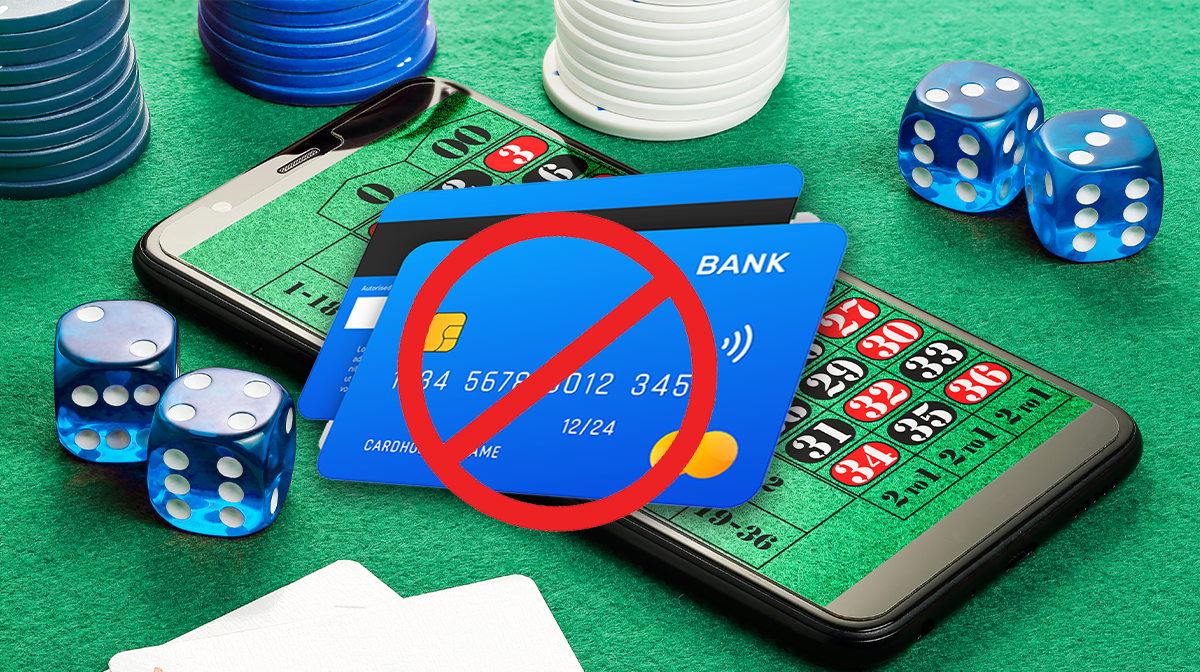
    The Federal Government has announced it will ban credit card usage for online betting and gambling sites. The Interactive Gambling Amendment Bill 2023 will also include other credit-related products and digital currencies. Companies found not enforcing the new regulations are set to face significant fines.

    The move comes after significant pressure from the Australian Banking Association. The association believes credit cards are unsuitable for online gambling and cause considerable harm to consumers.

    Let’s explore what the ban includes when it comes into effect and what it means for online gambling in Australia.

    Long Road to Credit Card Gambling Ban

    There has been discussion for years regarding banning credit cards for online gambling.

    In 2019, the Australian Banking Association hosted a consultation on credit cards in online gambling that also looked at how banks could help to protect online gamblers better. Not long after, in 2020, the UK successfully introduced its own credit card gambling ban.

    At the time, operators including Bet365, Entain and Betfair stated they’d support a ban, along with Responsible Wagering Australia.

    Some banks took matters into their own hands and introduced bans on credit cards to fund gambling independently. In October 2021, Bank Australia announced their account holders would no longer be able to use credit cards for gambling online.

    “Our research shows the majority of our customers believe credit cards should not be used for gambling, and as a customer-owned bank, our customers’ opinions are a big part of our decision making,” Bank Australia said.

    National Australia Bank also became the first bank in Australia to allow customers to block gambling transactions using its mobile app.

    Wider Efforts to Combat Gambling Harm in Australia

    The Bill, which implements recommendations from the Parliamentary Joint Committee on Corporations and Financial Services in 2021, continues the Federal Government’s work to help protect vulnerable Australians from online gambling harms.

    The government recently introduced measures, such as the launch of Betstop, a national self-exclusion register, to help people exclude themselves from online gambling.

    Other initiatives include monthly activity statements outlining wins and losses and new evidence-based taglines to replace ‘Gamble Responsibly’. Consistent training has also been established for staff working in the gambling industry nationally. Finally, they’re set to introduce mandatory pre-verification that requires operators to verify a customer’s identity before they can place a bet.

    There is also a range of additional recommendations the government is set to review from the parliamentary inquiry that addresses the harm of online gambling. A meeting between state, territory and Commonwealth ministers will likely be held later this year.

    Amanda Rishworth, Minister for Social Services, said the ban represents the final step by the government to address the harm caused by online gambling.

    Why Ban Credit Cards?

    In Australia, credit cards are already banned at land-based facilities and have been for several years. The Bill brings online gambling in line with this by placing a blanket ban on forms of credit card gambling.

    Australian Banking Association Chief Executive Anna Bligh says the reform is well overdue.

    “Using credit cards for gambling can create a unique harm where large amounts of debt can be accumulated in a short period. For people with a gambling addiction, a credit card can lead to severe financial stress for the individual and their family,” Bligh said.

    Minister for Communications, Michelle Rowland, also believes the Bill is a step in the right direction.

    “The Australian Government remains committed to protecting Australians from gambling harms. Legislating a ban on the use of credit cards for online gambling will help to protect vulnerable Australians and their loved ones”, she said.

    When Will This Be in Effect?

    Online gamblers and businesses will be given a six-month transition period to implement betting and business behaviours.

    Casino operators will face fines of up to $234,750 if they fail to follow the new laws.

    Any Other Important Details?

    The new law also expands the powers of the Australian Communications and Media Authority (ACMA) to ban other credit-related products that may be introduced in future years.

    The authority will also be responsible for penalising companies that don’t follow the ban.

  • Unveiling the Dangers of PayID Scams at Online Casinos: Protecting Your Winnings

    Unveiling the Dangers of PayID Scams at Online Casinos: Protecting Your Winnings

    PayID has become a popular mode of payment for many Australian online gamblers. It offers seamless transactions straight from your phone, and it’s easy to deposit and withdraw funds.

    Plus, you don’t need to share bank account details.

    However, like any online payment method, staying vigilant and protecting yourself is important. PayID scams in Australia are on the rise. Let’s have a look at what this means and how to keep your details safe when gambling online.

    What is PayID?

    PayID is a legitimate and relatively new payment method launched in February 2018 to help overcome incorrect payments and reduce fraud.

    It now has around 10 million registered users. It’s a free service that uses your mobile phone number, email address or ABN with the security of online banking systems. Using this information, the bank will verify you and link your bank account to a unique identifier.

    One of the benefits of using PayID is that it allows you to see the payer information before you confirm the transaction. So you’ll know that your money is going to the right person or business account before you authorise payment.

    There is no need to remember bank account details or BSB numbers, which can lead to mistakes when inputting numbers.

    Understanding PayID Scams

    According to Scamwatch, Australians lost $260,000 to PayID impersonation scams last year.

    National Australia Bank (NAB) also reported that their total scam reports relating to PayID increased by 38% from the previous year.

    A PayID scam is when someone tries to use PayID to get money from you. While PayID was introduced to help reduce fraud by knowing exactly who you’re sending your money to, unfortunately, some scammers use the payment method to target unsuspecting Australians.

    Common PayID Scam

    A new PayID scam is an impersonation scam. This PayID scam targets people who sell their second-hand items online. It’s being seen on sites like Facebook Marketplace, where scammers exploit PayID to get you to send them money.

    The scammer contacts you to buy your item and encourages payment via PayID. They then claim there is an issue when transferring money because you don’t have a PayID business account. So, the transaction couldn’t be completed.

    They’ll send a fake email that appears to look like it’s from PayID, claiming to have sent additional funds to upgrade the account. They’ll then request a refund from you, hoping you’ll make a transfer to their account.

    Other Types of Financial Scams

    Other types of financial scams include identity theft, where hackers use data breaches to take over transaction accounts, giving them access to make unauthorised payments or withdrawals.

    Financial fraud is also prevalent in Australia.

    This is when cybercriminals use phishing scam attacks to trick people into revealing their personal information, including your bank or financial institution details. This is usually in the form of an email, instant message or text message.

    The scammer masquerades as a trusted entity, like PayID or your bank, to encourage you to open the message.

    Protecting Yourself

    One of the biggest red flags when using PayID is if someone asks you for money to upgrade your PayID account.

    PayID is free, and there are never any charges for using this payment method. PayID also does not contact customers via texts, emails, or phone calls, so any contact that says it is “from PayID” is fake.

    Here are some other steps you can take if you’re using online trading sites, Facebook Marketplace or other online marketplaces:

    • Enable multi-factor authentication where possible to give you additional security.
    • Always use strong passwords and have a different password for each payment method.
    • Never send any money first to receive a payment via PayID.
    • Regularly check your statements to spot any unauthorised transactions and notify your bank immediately if you notice anything unusual.
    • Try to avoid using public Wi-Fi networks to access your PayID account.
    • Keep your devices up to date with the latest software.
    • Stay informed on cyber scams by reading the news regularly.
    • If you’re selling goods online, don’t send money; consider asking for cash payments instead of electronic payment channels.

    Transfer Money to Online Casinos Safely

    When making deposits to online casinos, here are some additional things to look out for to keep your personal information safe:

    • Verify the online casino or website is trusted and legitimate before providing personal information.
    • Only use a licensed and regulated casino that has a valid gambling licence from a regulatory body such as the UK Gambling Commission.
    • Check online reviews before signing up for an online casino site to ensure it has a good reputation.
    • Use a site that has a secure website and uses SSL encryption.
    • Look for endorsements from unbiased gambling platforms.
    • When confirming payments, make sure to check the PayID details to ensure the money is being sent to the right online casino.
    • Check the online casino can accept payment from PayID and other reputable payment methods.

    Using PayID at Online Casinos

    There are many licensed and reputable PayID casinos.

    PayID offers a safe and secure way to transfer funds without having your personal information compromised.

    While opportunistic scammers are using it to trick people into transferring their money, the platform still offers additional authentication and encryption and maintains high levels of confidentiality for secure payments.

    So even if someone got your PayID details, they can’t access your bank account details.

  • The Voice Referendum Off Limits for Betting Agencies

    The Voice Referendum Off Limits for Betting Agencies

    Australia’s largest gambling organisations typically offer you the chance to bet on almost everything. But when it comes to offering odds on the outcome of the voice referendum, most aren’t allowing Australians to make a wager.

    Let’s examine why they’ve decided not to offer punters the chance to vote on a yes or no outcome in what’s looking set to be one of Australia’s most controversial referendums.

    Why They Won’t Touch It

    While companies have in the past offered odds on both state and federal elections, along with some briefly opening their books on the same-sex marriage plebiscite, some lobby groups aren’t surprised with the decision to not offer wagers on the voice referendum.

    Avoiding Criticism

    The Alliance for Gambling Reform believe the industry is looking to avoid criticism from the government in the wake of tightening regulations.

    Many casino and sports book operators are currently lobbying to prevent imposing bans regarding trailing commissions and prohibiting gambling advertisements. Critics say betting companies won’t want to attract any further criticism, given calls for stricter regulatory measures on the gambling industry.

    The Alliance has been lobbying Prime Minister Anthony Albanese recently and believes online bookies are worried about what the government’s response to the online gambling report recommendations to ban gambling advertising and inducements could mean.

    Chief Executive of the Alliance for Gambling Reform, Carol Bennett, said the gambling industry had proven it puts “profits from losers ahead of any moral considerations”.

    Independent MP Andrew Wilkie agreed that the motivations of gambling sites were self-serving, though he welcomed the fact most weren’t accepting bets about the vote. He said, “Such events are much too important to be treated like a footy game.”

    Too Divisive an Issue

    Another explanation for the reluctance is the controversy surrounding the voice proposal.

    Many consider the vote too divisive, and betting sites don’t want to associate themselves with the referendum.

    During the same-sex marriage plebiscite, SportsBet was accused of insensitivity when it offered odds on the outcome. They subsequently withdrew its market due to the negativity from the media and the Australian community.

    Are Any Sites Offering Bets?

    To date, no major sportsbook has opened bets on the upcoming referendum that could introduce an Indigenous Voice to Parliament, giving Indigenous Australians more say on government policies.

    Ladbrokes, Neds, Betfair, Betr, and Sportsbet have all stated they have no plans to open bets on the referendum, though they’ve steered clear of giving an exact reason why.

    BlueBet, a small online gambling company, is offering odds on the Indigenous voice referendum. They opened their books in June, back when the Yes campaign was the favourite at $1.70. Within a month of opening bets, 95% of wagers were placed for the No-vote winning.

    BlueBet’s Head of Content, Richard Hummerston, said that BlueBet isn’t advocating for either vote but giving local punters the chance to place wagers on the outcome.

    Operator Status Notes
    Ladbrokes Not offering bets Has stated no plans to open bets
    Neds Not offering bets Has stated no plans to open bets
    Betfair Not offering bets Has stated no plans to open bets
    Betr Not offering bets Has stated no plans to open bets
    Sportsbet Not offering bets Withdrew markets in past controversial votes
    BlueBet Offering bets Opened in June; Yes initially favourite at $1.70; 95% of wagers later were for No
    Summary of operators and their stance

    Aboriginal and Torres Strait Voice to Parliament

    A Voice to Parliament aims to give First Nations people a say in government policy. It means creating a permanent body representing Aboriginal and Torres Strait Islander peoples. This body would advise the government on policies, laws and matters relating to Aboriginal and Torres Strait Islanders’ lives on social, spiritual and economic issues.

    The Voice would provide permanent recognition and representation for Aboriginal and Torres Strait Islander peoples in Australia’s constitution.

    The goal of the Voice is to provide independent advice and guidance. The body would not have the power to overrule federal parliament (known as veto power). The Voice would also not be able to deliver services, manage government funding or mediate between organisations.

    How the Voice to Parliament Came About

    In 2017, there was a historic meeting in Uluru of First Nations people from around Australia.

    With over 250 delegates, the group reached a consensus, known as the Uluru Statement from the Heart, that identified three key objectives. These included establishing a First Nations Voice enshrined in the Constitution.

    Another objective was establishing a treaty agreement between First Nations peoples and Australia’s State and Federal Governments. To establish national acknowledgement of, and legal protection for, the rights and interests of Indigenous Australians.

    The final objective focused on Truth-telling. Giving Aboriginal and Torres Strait Islander Peoples a comprehensive process of truth-telling about Australia’s history. One that acknowledges both colonial conflict and dispossession, along with the strength and resilience of Indigenous Australians.

  • ALH Group Ordered to Pay $550k Fine For Poor Gambling Harm Prevention

    ALH Group Ordered to Pay $550k Fine For Poor Gambling Harm Prevention

    One of Australia’s biggest pokies operators has been hit with a six-figure fine after failing to install responsible gambling technology on electronic gaming machines (EGMs).

    Let’s take a look at the full details of the breach and what it means for the future of gambling harm prevention in Victorian communities.

    Details of the Breach

    In late 2021, the Victorian Gambling and Casino Control Commission (VGCCC) received an anonymous tip-off regarding a number of Australian Leisure and Hospitality Group (AHL Group) venues.

    After a blitz inspection across multiple venues in Victoria, the VGCCC found 220 gaming machines without YourPlay mandatory pre-commitment technology installed. All the machines identified (across 62 of 77 AHL venues) were immediately turned off.

    In November 2022, the VGCCC formally charged ALH Group with 62 counts of failing to ensure YourPlay was properly installed.

    Court Proceedings

    According to the VGCCC, the magistrate found the breach to be ‘serious and wilful’. However, the ALH’s early guilty plea and their cooperation with the VGCCC were considered when handing down the fine, which was reduced to $550,000 from the maximum of $1.35 million.

    In addition to the fine, the group was ordered to pay $50,000 in legal costs to VGCCC.

    VGCCC CEO Annette Kimmitt AM was pleased with the verdict, which she says demonstrated VGCCC’s commitment to pursuing operators who deliberately contravene their obligations to protect gambling harm in the community.

    “Gambling providers need to pay close attention to their obligations because the consequences for getting it wrong can be significant,” she said.

    About YourPlay

    YourPlay is the statewide pre-commitment scheme that lets players set time and loss limits when playing pokies. The goal is to help them make better and more informed decisions about their gambling to reduce gambling harm. In Victoria, it’s mandatory on all electronic gaming machines.

    Given the importance of the YourPlay scheme to reduce gambling harm, the VGCCC requested that the gravity of the breach be fully considered when sentencing.

    About ALH

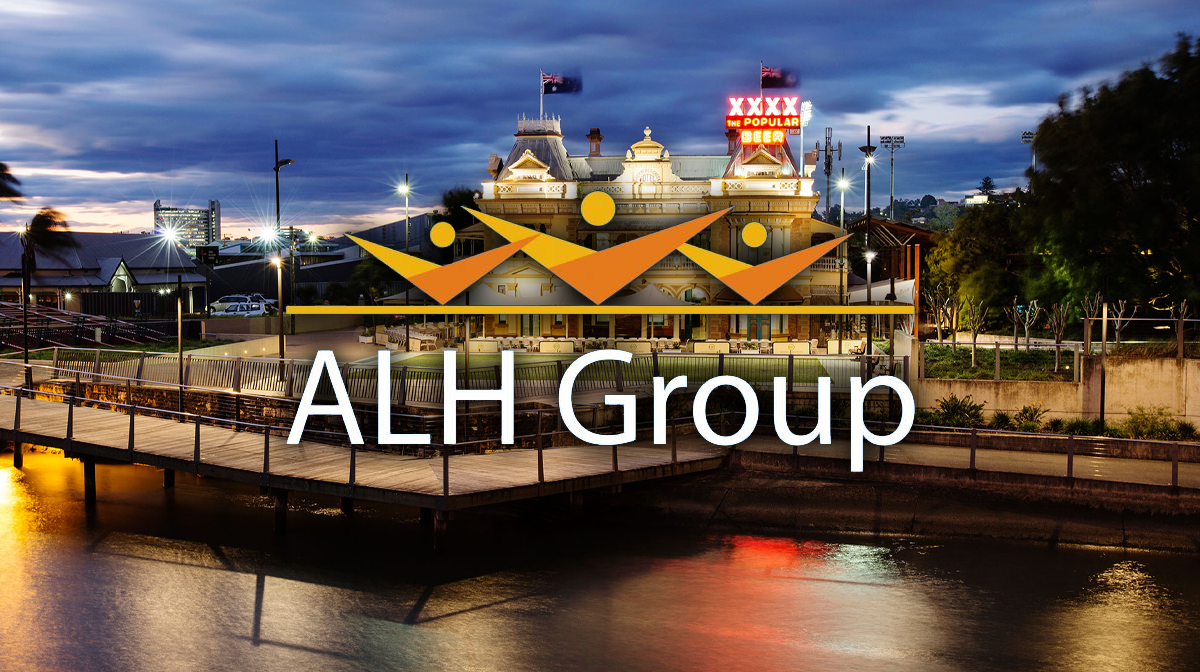
    ALH Group is Australia’s largest operator of electronic gaming machines. The group offers a range of leisure and entertainment venues across Australia. Owned by Endeavour Group, they employ over 15,000 people at over 350 licensed venues in regional and metro locations across Australia.

    Of the breach and subsequent fine, an Endeavour Group spokesperson said, “We have acknowledged our shortcomings on this serious matter and have taken steps to seek to improve our compliance management. We will continue to work constructively with the VGCCC.”

    Community Whistleblowers

    Regulators, government and community members are all calling for more to be done to combat gambling harm in Victoria, including the introduction of new laws.

    So we’re likely to see more cases of whistleblowing from the community against gambling providers who deliberately contravene their responsibilities.

    The VGCCC welcomes information from the public, encouraging community members who have concerns about gambling providers or gambling machines to get in contact. Anyone in the community is welcome to make an anonymous tip-off to the VGCCC ‘Tip-Off’ page.

  • Gambling Restrictions to Hurt Greyhound Racing Industry

    Gambling Restrictions to Hurt Greyhound Racing Industry

    Gambling Restrictions to Hurt Greyhound Racing Industry

    The greyhound racing industry in New South Wales is urging members to lobby federal ministers against introducing a ban on online gambling advertising. They warn it would result in animal welfare programs closing, leading to dog suffering and essentially killing the sport in New South Wales.

    Let’s explore the movement to ban advertising and some of the potential impacts on the greyhound racing industry in the state.

    Movements to Ban Greyhound Racing

    Back in 2017, there was a push by the state government to ban greyhound racing in NSW due to a raft of greyhound welfare concerns. At the time, then Premier Mike Baird overturned the decision three months after it passed. He promised to clean up the greyhound racing industry and improve safety and regulation.

    In 2021, the NSW government provided financial support to the greyhound racing industry by investing $30 million into track safety upgrades. Critics said the investment saved expenses for the industry and helped increase their profits.

    Today, the federal government is considering a multi-year plan to phase out online gambling. Several ministers are examining recommendations that call for a staged ban on gambling advertising, starting with a ban on online inducements, including rewards programs, early cashouts and multi-bets.

    Greyhound Racing Industry

    The NSW greyhound industry is currently thriving in NSW. Since the NSW government tried to ban the industry, prize money has almost doubled, with online gambling markets driving record income from people living in countries who have never even watched a race.

    The industry attracts gamblers from overseas markets, including China and the US, where governments have banned greyhound racing. Many Sydney fixtures are featured on overseas betting sites.

    NSW State Green member Abigail Boyd says, “In recent years, we have seen the NSW greyhound racing industry change race times to suit people betting in real-time overseas, regardless of the inconvenience caused to participants and race officials and the additional risks it adds from an animal welfare perspective.”

    Since the push to ban greyhound racing was overturned, Greyhound Racing NSW’s overall income increased from $67 million to $121.5 million. Described by CEO Mr Macaulay as its best financial performance on record, prize money in the sport also rose from $26.4 million to $46.3 million.

    Mr Macaulay says that the sport’s success in New South Wales is filtering through as an economic benefit to many regional and rural communities in New South Wales. He noted that 75% of participants lived in regional areas of NSW.

    Suspected Impacts

    Greyhound Racing NSW CEO Robert Macaulay said the plan would cause a 40% reduction in income, equating to a $20 million annual hit to the industry. In a letter to members, he wrote that the loss of all forms of racing in the state would significantly impact the maintenance of essential welfare and adoption programs for many dogs.

    However many critics focus on the cruelty associated with the racing industry when lobbying governments. Last year in NSW, the number of dogs killed or injured surged, with last winter reportedly the worst on record since 2018. There were 939 injuries across all categories, equating to 21% of the dogs that raced over a three-month period.

    Kylie Field, spokesperson for the Coalition for the Protection of Greyhounds, said the claim that greyhound dogs would suffer more if gambling advertising were banned was absurd. And that the only way to improve animal welfare is to ban greyhound racing.

    Many companies involved in sports betting in Australia, including SportsBet, are campaigning against the changes. Just this year SportsBet have boosted its marketing spend by $19m in anticipation of the planned changes.

  • Betstop Launch Date Arrives

    Betstop Launch Date Arrives

    The Australian government has officially launched the new national self-exclusion register, known as BetStop.

    The site, which will allow Australians to self-exclude from gambling for a minimum of three months to indefinitely, will include both online and phone-based operators. It comes after years of community advocacy warning against gambling harm, particularly for vulnerable Australians.

    The site will be regulated by the Australian Communications and Media Authority (ACMA), which will also launch a public awareness campaign about the register.

    The National Consumer Protection Framework

    Plans to launch BetStop were first announced in June 2022, which is the final measure in the Federal Government’s National Consumer Protection Framework for Online Wagering. The framework consists of 10 consumer protection measures to provide tools for consumers relating to online wagering service providers.

    The goal of the measures is to mitigate gambling harm from online wagering.

    Some of the other measures include:

    • Prohibiting lines of credit
    • Discouraging payday lenders for online gambling
    • Reducing customer verification periods
    • Making it easier for customers to close their online gambling accounts

    Kai Cantwell, CEO of Responsible Wagering Australia, said, “The implementation of BetStop means that all 10 of the National Consumer Protection Framework measures are now up and running, giving customers the power to stay in control of their own gambling behaviour”.

    Australia’s Fight Against Gambling Harm

    According to the latest Australian Gambling Statistics Report, Aussies spent almost $175 billion on online gambling during the 2019–20 financial year. That’s a 25% increase from the previous year and an amount that equates to just over $11,000 per capita.

    For years, community groups have been advocating for a national self-exclusion register.

    Lauren Levin, Director of Policy and Campaigns at Financial Counselling Australia, said, “We started advocating for this in 2015 and didn’t give up because we always knew that an online gambling self-exclusion register would help a lot of people”.

    BetStop follows the introduction of a raft of other legislative reforms in Australia, including banning the use of credit cards for online gambling. Victoria has also introduced what Premier Dan Andrews has called the toughest gambling and anti-money laundering measures for gaming machines nationwide.

    Other steps include implementing mandatory activity statements each month so players can easily see their wins vs. losses, and strengthening classifications of gambling-like features in video games.

    The government is also set to introduce mandatory customer pre-verification by the end of September. The new rules will mean operators need to verify a customer’s identity when they register for an account before they place any bets. This replaces the existing requirements of operators to verify a customer’s identity within 72 hours.

    National Self-Exclusion Register for Individuals

    BetStop will mean people can self-exclude from 150 online wagering providers with just the click of a button, for an indefinite self-exclusion period.

    The new self-exclusion register covers all Australian licensed interactive wagering service providers. Operators won’t be allowed to open a new account or accept any bets from individuals who have self-excluded. Wagering providers also can’t send any self-excluded individuals any advertising or marketing material.

    In addition, service providers are required to promote BetStop on their websites, apps and via marketing material. Once a person has registered, interactive wagering service providers need to close all betting accounts owned by the person.

    What’s Next?

    Minister for Social Services Amanda Rishworth acknowledged that there was still more to be done to reduce the harm of online gambling and that the government’s approach wasn’t a “set-and-forget exercise”.

    “I look forward to working with my state and territory counterparts on what comes next to continue this positive change,” she said.

    Community groups and gambling harm advocates are already calling for BetStop to be extended to all forms of gambling, including casinos, pokies, and lotteries.

  • Victoria Bans Betting on Minors

    Victoria Bans Betting on Minors

    Victoria’s gambling regulator has announced major changes affecting the rules around betting on sports where minors participate. The new changes, due to take effect in just 60 days, will see operators face severe penalties if they fail to comply.

    Let’s take a look at the full details of the ban, including identifying what’s covered and individual responsibilities, along with how the changes reflect other current reforms sweeping Victoria and Australia.

    Details of The Ban

    The Victorian Gambling and Casino Control Commission (VGCCC) is set to introduce a betting ban on all under‑19 sports competitions in the state. The ban will include betting on individual players’ performance for anyone under 18 years, in both junior and senior sports.

    The VGCCC raised concerns in letters sent to all major bodies that control sports and sports betting providers that betting on minors poses gambling‑related harm concerns and that it normalises gambling on events that involve children.

    What’s Covered?

    The ban is set to prohibit sports betting providers from offering bets on:

    • Any sporting event where all of the participants involved are minors.
    • All sporting events for under‑19s competitions.
    • All open events where there are minors playing — meaning bets can be placed on teams, but not on outcomes for players in those teams who are under 18 years.
    • Any outcomes where individual players are minors, e.g. first goal scored, most disposals or first wicket taken.

    Responsibilities of Sporting Bodies

    From 3 August, both sports governing bodies and betting operators will have only 60 days to ensure compliance with the new rules. Sports controlling bodies must amend any agreements with betting providers to ensure they stop offering any markets that involve minors. The ban is also set to apply to any sports, whether they’ve been governed by an approved sports controlling body or not.

    After 60 days, the VGCCC has stated it will be an offence for any operator to offer betting on events that involve minors. They may face losing approval to run sports in Victoria or even prosecution.

    Victorian Gambling and Casino Control Commission

    The VGCCC is the new, independent regulator of the gambling industry in Victoria. Formed in July 2022, the group has stronger powers and is dedicated to focusing on regulating gambling to ensure integrity, safety and fairness for all.

    Their focus is on cracking down on any gambling operators who don’t protect people from gambling harms, including those who act dishonestly and break the law.

    VGCCC chair Fran Thorn said of the new changes, “We think minors deserve to be protected. It also raises integrity issues, with the prospect of people attempting to influence how minors might behave playing sport.”

    Reflection of Other Reforms

    The decision reflects other Victorian and Australia‑wide gambling reforms we’ve seen of late, including the introduction of an Australian wide register for people to self‑exclude from online gambling, and changes to electronic gaming machines.

    Last month, Victorian Premier Dan Andrews announced sweeping changes aimed at reducing harm from electronic gaming machines. The reforms are still subject to final approval but include changes to ID verification, reduced load‑up limits, curfews for venues, reduced spin speed and mandatory pre‑commitment limits.

    Premier Andrews said that his state’s reforms would provide the strongest gambling harm prevention in Australia.

    The Royal Commission

    Victorian reforms follow the 2022 Royal Commission inquiry that investigated malpractice at Melbourne’s Crown Casino. The casino was found unsuitable by the Commission to hold a licence in the state.

    The findings led to the formation of the Victorian Gambling and Casino Control Commission to regulate gaming throughout Victoria. The group is set to take over the majority of the functions of the Victorian Responsible Gambling Foundation from 1 July 2024.

  • Twitch Gambling Ban To Expand

    Twitch Gambling Ban To Expand

    Live streaming service Twitch has announced they’re expanding their ban on gambling streams across their platform. While changes were introduced late last year, these latest bans will impact live streamers with sponsorship or promotional deals with skin gambling sites.

    In this article, we’ll explore the changes and why they’ve been introduced. We’ll review last year’s changes related to dice games, slots and roulettes from sites that fail to provide sufficient consumer protection. Finally, we’ll consider how it’s likely to affect gambling content and viewers going forward.

    Recent Ban on Gambling Streams

    Twitch, which global giant Amazon owns, has announced they are expanding the ban on live streams of gambling-related content on their platform.

    In addition to changes made last year that focused primarily on sites that failed to provide sufficient consumer protection, the organisation is set to ban sponsorships and promotion of skin gambling sites.

    Streamers promoting or who are sponsored by Counter-Strike: Global Offensive skin gambling sites will no longer be allowed to use the platform.

    Why the Changes?

    The gambling ban comes after some controversy last year involving a streamer who was accused of scamming users and other creators to help fuel their gambling addiction.

    After the scandal, some of the site’s big-name streamers protested the platform’s lax policies regarding gambling content. This led to the first lot of changes last October. These additional measures are aimed at addressing predatory behaviour in an effort to make Twitch safer.

    Recent research (reported by Video Games Chronicle) from a CS:GO streamer known as Houngoungagne identified around 75% of the top 300 CS:GO streamers are sponsored by skin gambling websites. Trading and gambling of skins (and other cosmetics) in CS:GO has been lucrative for many streamers. Some sought-after skins are sold for hundreds and thousands of dollars online.

    What’s Included in the Ban?

    According to an updated version of the Twitch Community Guidelines, live streaming skin gambling promotion for CS:GO skins is now prohibited.

    This is alongside the existing ban on questionable gambling sites that offer dice games, slots and roulette. Promoting free social versions of gambling websites has also been specifically included. However, broadcasting sites focusing on poker, sports betting and fantasy sports are still allowed.

    Streams from online casinos Blaze and Gamdon have been added to the banned list alongside other big names that were announced last year.

    What Happens If Users Breach the Policy?

    Twitch announced that, like any of their other user policies, account holders may receive disciplinary action if they choose to stream to any of the prohibited sites. To begin with, they plan to leverage warnings in addition to suspensions (where applicable) to provide fairness for those streamers who may not have understood the changes.

    Last Year’s Ban

    From October 18th, 2022, Twitch introduced tighter rules around gambling streams on their site. The enhanced rules prohibit any streaming of unlicensed gambling sites in the U.S. (or other jurisdictions) that do not offer specific consumer protections, including waiting periods, age verification protocols and deposit limits.

    The ban applies to sites that contain casino games, including slots, roulette or dice games. Although it specifically references U.S. licensing, the ban applies globally to all members, includes free social versions and also prohibits linking to sites in the chat feature.

    When Twitch made its changes last year, it identified a handful of sites that faced the ban. The sites listed at the time included:

    Prohibited Site
    Stake.com
    Rollbit.com
    Duelbits.com
    Roobet.com

    When announcing changes, the group did state that they may add additional sites and update their gambling policy accordingly. All prohibited sites will be referenced in the policy so that users have a clear source to identify which sites are affected.

    After the policies were implemented last year, the site’s gambling viewership dropped by approximately 75%.

    How Will This Affect Gambling Content and Viewers?

    It’s bad news for streamers who have deals with any of these cosmetic gambling sites. For example, G2 Esports is a large organisation which employs content creators and numerous players.

    Earlier this year, they announced a partnership with CSGORoll. The site is a CS:GO skins trading market, so it’s likely to be included in the ban by Twitch. This means that G2 Esports won’t be allowed to promote it during its live streams.

    Unanswered Questions About Twitch’s New Rule

    As with any big new announcement, there are still some questions about what the rule means in practice. Presently, it only references sponsorship deals and promotions.

    For organisations like G2 Esports, there’s been no clear direction on what it means for streamers who have partnership deals and obligations already established.

    We’ll continue to monitor and provide updates on any further announcements that impact Twitch streamers that may prohibit streams or ban gambling streams.

  • Data Suggest an Expected Rise in Mobile Gambling

    Data Suggest an Expected Rise in Mobile Gambling

    Mobile casinos are changing the online gambling landscape.

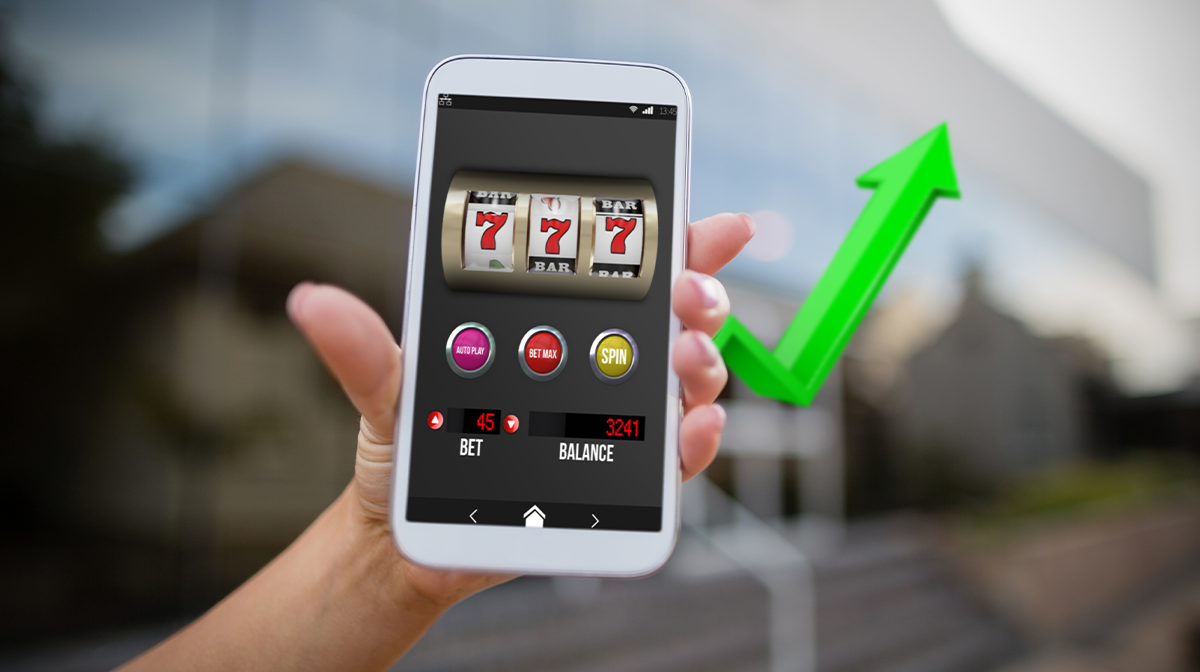
    With technological advancements and the increased usage of smartphones across Australia, mobile casinos are here to stay. Developers are creating casino apps for mobile devices that offer sports betting, slot games, free games and more.

    In this article, we’ll look at what’s causing mobile casino growth and some of the challenges online casinos are facing. We also explore the future of mobile casinos, and why online gambling via a mobile device and playing mobile casino games is so popular.

    Mobile Casino Growth

    More people are using mobile casinos and apps as their primary way to play. Offering a new level of convenience for players, straight from their mobile device on a mobile casino app.

    Mobile gambling market

    According to Research and Markets, the global mobile online casinos market is worth around US$104 billion. And researchers project it’ll reach over US$250 billion by 2030. This rapid growth in mobile casinos has been fueled by the increase of smartphones. And the availability of high-speed internet around the world.

    New technology

    High-resolution screens and advanced processors mean players benefit from an enhanced gaming experience from their mobile device. Mobile users can also experience higher quality streaming when playing games with 4G and 5G networks available throughout Australia.

    Convenience

    It’s no surprise that the convenience of using a mobile to play online casino games is appealing to many players. Using mobile casino apps, Australian players can play casino games from anywhere with internet access. The best mobile online casinos also offer various payment methods for added convenience.

    Challenges of Mobile Gaming

    Rapid growth does pose some challenges for mobile casinos.

    Laws for online casinos vary across countries and jurisdictions, and mobile casinos need to keep up to date with the latest regulations and laws to remain compliant.

    Consumer protection

    Several countries have updated their gambling legislation to ensure it covers mobile casinos. Introducing rigorous consumer protection practices and licensing procedures has helped legitimise mobile casinos and build trust with players.

    Responsible gambling

    Mobile casinos need to ensure responsible gambling measures are being followed. They can do this by implementing measures that include self-exclusion or betting limits.

    The Future for Mobile Casinos

    Mobile casinos are leveraging technology to help enhance player’s experience.

    We’re seeing online mobile casino sites integrating artificial intelligence (AI) into their gambling apps. Some online casinos are also using machine learning to personalise each player’s gambling experience. Mobile casinos and different casino games are also starting to introduce virtual reality (VR) technology.

    In the future, it’s likely that developers will utilise technology to create better gaming experiences for players. For example, developing more mobile casino apps with VR, for a more immersive gaming experience.

    Players will be able to get the feeling of being in a casino, direct from their mobile device.

    Why Are Mobile Casino Games So Popular?

    There are several reasons mobile casino games are so popular, including:

    Free casino apps

    While there are plenty of real money mobile casino sites to choose from, some mobile casino sites also offer free-to-play (F2P) models or freemium models. These free casino apps give players the chance to download and experience casino games without investing any of their own money.

    Mobile casino bonuses

    Players can access casino bonuses and promos when they play mobile casino games at a mobile online casino. The best mobile casino bonuses often include a welcome bonus or a deposit bonus, giving players an additional chance of winning big.

    Enhanced user experience

    Mobile casinos are designing games specifically for mobile devices, incorporating user-friendly interfaces and controls for touchscreens. Most mobile casino sites offer casino games optimised for a better user experience. This can include features like responsive design for a smaller screen.

    Social interaction

    Some mobile casino sites include features like chat, achievements and leaderboards.

    Casino apps in Australia allow friends to connect and compete against each other around the world. For many players, this offers a more engaging experience and builds a sense of camaraderie and rivalry when playing casino games on their mobile devices.

    Game selection

    The best mobile casino sites offer a wide game selection.

    Online casino games can include classic table games, online pokies and even sports betting. The diversity of games means there’s something for every type of player.

    What Do Mobile Casinos Mean for the Gambling Industry?

    The popularity of mobile casinos for gambling online highlights the changing nature of consumers living in a digital world. Players using mobile devices means more casino apps are likely to be introduced in the coming years, generating even more competition in the mobile casino industry.

    To succeed, mobile casinos will need to keep focusing on consumer needs, adapting to changing markets and continually innovating for mobile devices.

  • Gambling Laws in Victoria About To Get Tough

    Gambling Laws in Victoria About To Get Tough

    Victoria is set to introduce a raft of new gaming reforms to help reduce gambling harm caused by electronic gaming machines, known as EGMs. The changes, announced by Premier Dan Andrews and Gaming Minister Melissa Horne, will include smaller spending limits and slower spin speeds.

    In this article, we’ll explore the current gambling laws in Victoria and the impact of gambling harm in the state. We’ll also examine what the regulations mean and when the changes will be introduced.

    Current Gambling Laws

    Victoria is set to introduce the toughest gambling and anti-money laundering measures for gaming machines nationwide.

    According to The Age, the Victorian Gambling and Casino Control Commission shows pokie players in pubs, clubs and hotels collectively lost $2.8 billion during the first 11 months of the last financial year. A figure that’s up from just under $2 billion from the previous year.

    Previous changes introduced by the state government include mandatory pre-commitment rules for almost 3,000 poker machines at Crown Casino. But until now, there’s been little talk about rolling out reforms across the state’s other gaming machine areas.

    Gambling Harm in Victoria

    Premier Daniel Andrews said that he hoped the new gambling reforms would help Victorians, especially the 330,000 people who experience gambling harm every year. He stressed that gaming venues, in particular pokie machines, were the cause of terrible harm in the community.

    Alliance for Gambling Reform spokesperson Tim Costello said that many people had long waited for this level of change from the Victorian government.

    He believes when the reforms are enforced, they’ll go a long way to minimising problem gambling.

    New Gambling Regulation Measures

    Some of the proposed changes announced by the government include:

    Pre-commitment limits

    Under the new reforms, all pokies and other EGMs will require mandatory pre-commitment limits and mandatory carded play. Pre-commitment refers to restricting a gaming machine’s expenditure to stop players from spending more money than they originally intended. All players will use a card to sign in and set loss limits.

    Changes to load-up limits

    There will also be changes to load-up limits, which refers to how much a player can put into a pokie machine at any one time. These limits will reduce to $100, a significant decrease from the current limit of $1,000.

    Reducing open times

    All venue operators with electronic gaming machine areas will face mandatory closure periods for gaming operations of six hours a day, except Crown Casino. Venues will need to close between the hours of 4 am and 10 am, making it more difficult for people with gambling addictions to access pokies 24/7.

    The introduction of set opening times comes following community concern that many venues have established staggered opening hours, coordinating to allow players to move between venues to gamble.

    Slowing spin rates

    All new poker machines will have their spin rates slowed down under the new measures. Pokies will need to spin at a rate of three seconds a game (a slowdown from the current 2.1 seconds each game). The aim is to slow the pace to help minimise financial losses.

    What Sweeping Gambling Reforms Mean for Other States

    Other states are also cracking down on gambling harm. NSW has vowed to reduce the number of pokies and has banned political donations from clubs with gaming equipment. They’re also trialling cashless gaming on pokies. And the government has announced they’ll ban gambling-related signage from outside clubs and pubs.

    Australians can also soon ban themselves from online gambling companies with the introduction of BetStop.

    Gambling Regulation Act

    The current Victorian gambling laws fall under the Gambling Regulation Act. Some of the main objectives include fostering responsible gambling and minimising the harm caused by problem gambling. But some people say the Gambling Regulation Act needs to go further.

    Leader of the Greens in Victoria, Tim Read, said while the new reforms would provide some relief they still don’t go far enough.

    He’s calling for $1 bet limits and for venues to close for longer.

    When Will The Changes Be Introduced?

    While dates haven’t been announced, it’s expected some changes, such as load-up limits, will be in place by the end of the year. The rest of the reforms are expected to be rolled out by next year.

    The Premier has hinted it may take time and indicated there will be consultation with the industry. But Monash University gambling expert Charles Livingstone warned consulting with the gambling industry could cause delays.